




Please Call Hotel for Special Pricing
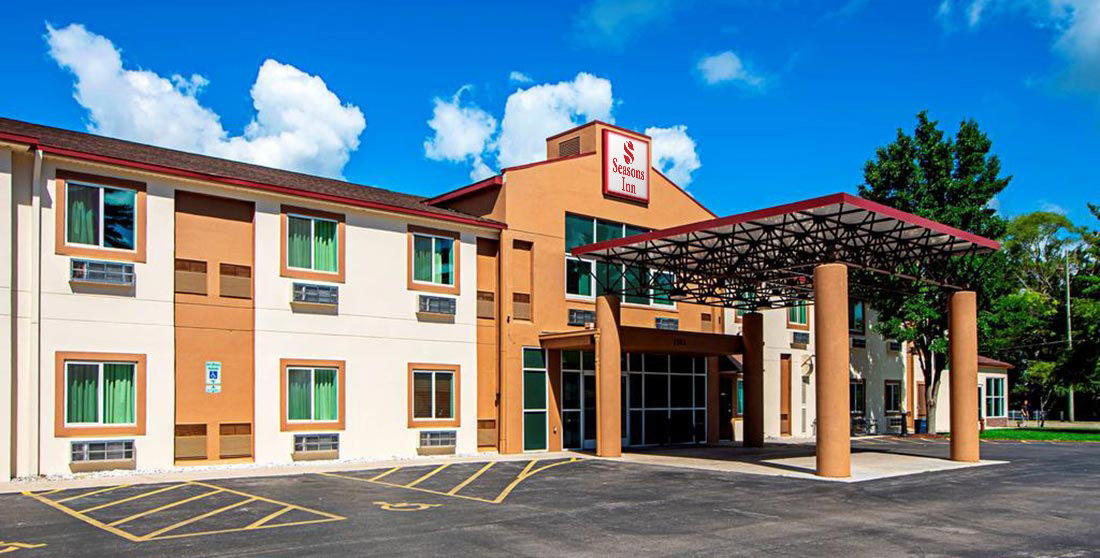
Seasons Inn Traverse City is located in the heart of Traverse City and four miles from downtown Traverse City. This hotel is within a short distance to Northwestern Michigan College, Cherryland Mall, and Munson Medical Center. Plenty of restaurants are within walking distance, or a short drive from the hotel.
Located in the heart of Traverse City, one of the most popular resort towns in Michigan, the Seasons Inn Traverse City combines comfort and convenience to your stay. This hotel is near great attractions such as Traverse City State Park, the beautiful beach on Grand Traverse East Bay, and Grand Traverse Resort. Other nearby attractions are Grand Traverse Mall and Turtle Creek Casino.

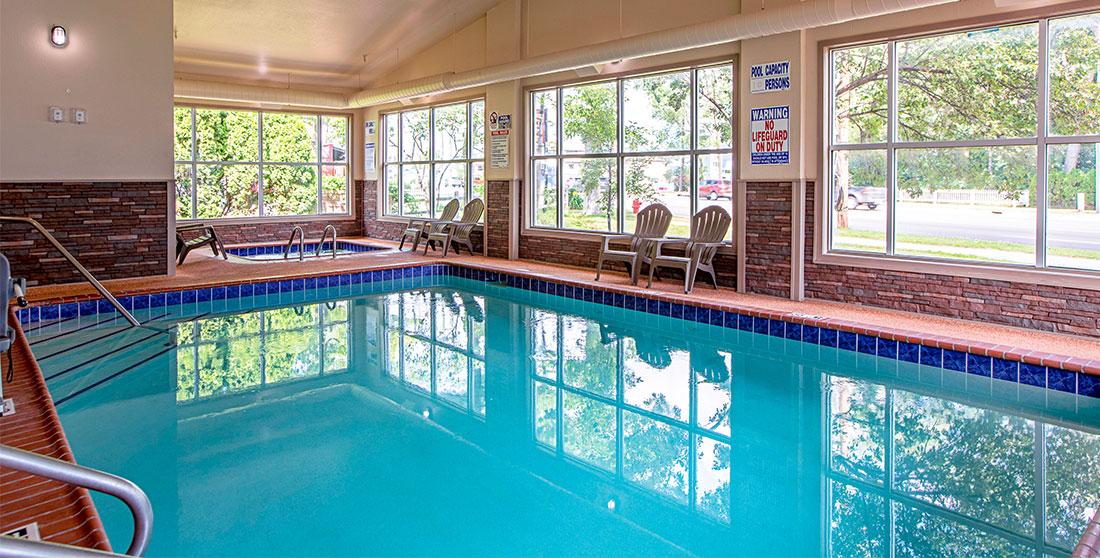
Seasons Inn Traverse City offers both comfort and convenience. This pet-friendly, family-friendly hotel offers free Wi-Fi, free parking, indoor heated swimming pool and indoor hot tub, free continental breakfast (Due to COVID-19 our free continental breakfast is Temporarily Suspended) as well as free coffee and tea in the lobby. All guest rooms include a flat screen TV, hair dryer, iron and ironing board. Select rooms offer microwave, mini-refrigerator, in-room coffee and large work desks. Business travelers will welcome additional conveniences like access to copy and fax services. Guests will also enjoy our coin laundry. One well-behaved family pet per room is always welcome.
ENV PATH=$PATH:$ANDROID_HOME/cmdline-tools/latest/bin:$ANDROID_HOME/platform-tools
example: 11076708 (check official site for latest). 3. Step-by-Step Installation (Linux Example) # 1. Download wget https://dl.google.com/android/repository/commandlinetools-linux-11076708_latest.zip 2. Extract to a target folder (e.g., ~/android-sdk) mkdir -p ~/android-sdk/cmdline-tools unzip commandlinetools-linux-*.zip -d ~/android-sdk/cmdline-tools mv ~/android-sdk/cmdline-tools/cmdline-tools ~/android-sdk/cmdline-tools/latest 3. Set environment variables export ANDROID_HOME=$HOME/android-sdk export PATH=$PATH:$ANDROID_HOME/cmdline-tools/latest/bin export PATH=$PATH:$ANDROID_HOME/platform-tools 4. Accept licenses (automated for CI) yes | sdkmanager --licenses 5. Install required packages sdkmanager "platform-tools" "platforms;android-34" "build-tools;34.0.0" Note: The cmdline-tools/latest subdirectory is required – older sdkmanager versions fail if tools are directly under cmdline-tools . 4. Core Components You Get | Package | Purpose | |---------|---------| | platform-tools | adb , fastboot , systrace | | build-tools | aapt2 , zipalign , apksigner | | platforms;android-XX | android.jar for compilation | | emulator | QEMU-based Android emulator (optional) | | ndk-bundle | Native Development Kit | 5. Using Without Android Studio in Real Projects Gradle Builds Set android.sdk.root in local.properties or env var: download android sdk without android studio
sdk.dir=/home/user/android-sdk Then run ./gradlew assembleDebug . flutter config --android-sdk ~/android-sdk flutter doctor -v React Native (with CLI) export ANDROID_HOME=$HOME/android-sdk npx react-native run-android 6. Automation & Headless Environments Docker Example FROM ubuntu:22.04 RUN apt update && apt install -y openjdk-17-jdk wget unzip Download wget https://dl
ENV ANDROID_HOME=/opt/android-sdk RUN mkdir -p $ANDROID_HOME/cmdline-tools && wget -q https://dl.google.com/android/repository/commandlinetools-linux-11076708_latest.zip && unzip -q commandlinetools-linux-*.zip -d $ANDROID_HOME/cmdline-tools && mv $ANDROID_HOME/cmdline-tools/cmdline-tools $ANDROID_HOME/cmdline-tools/latest && rm *.zip Accept licenses (automated for CI) yes | sdkmanager
RUN yes | sdkmanager --licenses && sdkmanager "platform-tools" "build-tools;34.0.0" "platforms;android-34" - name: Set up Android SDK run: | wget https://dl.google.com/android/repository/commandlinetools-linux-11076708_latest.zip unzip commandlinetools-linux-*.zip -d $HOME/android-sdk/cmdline-tools mv $HOME/android-sdk/cmdline-tools/cmdline-tools $HOME/android-sdk/cmdline-tools/latest echo "$HOME/android-sdk/cmdline-tools/latest/bin" >> $GITHUB_PATH yes | sdkmanager --licenses sdkmanager "platform-tools" "build-tools;34.0.0" "platforms;android-34" 7. Limitations Compared to Full Android Studio | Feature | Without Studio | With Studio | |---------|----------------|-------------| | GUI layout editor | ❌ | ✅ | | Built-in emulator management (AVD Manager GUI) | ❌ (CLI only: avdmanager ) | ✅ | | Profilers (CPU, memory, network) | ❌ | ✅ | | Automatic SDK updates via IDE | ❌ | ✅ | | Debugger UI | ❌ (use VS Code/IntelliJ) | ✅ | 8. Common Pitfalls & Solutions | Problem | Fix | |---------|-----| | sdkmanager not found | Ensure cmdline-tools/latest/bin is in PATH | | Could not find or load main class | Install Java 11+ (OpenJDK) | | License not accepted | Run yes \| sdkmanager --licenses | | Missing SDK platform | Manually install platforms;android-XX | | Emulator won’t start | Install KVM (Linux) or HAXM (Windows) separately | 9. Conclusion You can fully develop, build, and test Android apps without Android Studio using just the command-line SDK tools. This approach is standard in CI/CD, lightweight dev environments, and for users of other IDEs. The official sdkmanager provides the same core build tools – only the UI/debugging/emulator management GUI is missing.