



Spring is the great optimist. Symbolically, it represents the triumph of life over death, warmth over cold, and light over darkness. After months of winter’s dormancy, the first signs of spring—a crocus pushing through frost, the return of birdsong at dawn, the lingering sunset—are met with a sense of relief and euphoria. The season’s core narrative is one of emergence. Scientifically, the increasing angle of the sun and longer days trigger hormonal changes in plants and animals, leading to budding leaves, blossoming flowers, and heightened animal activity. Psychologically, humans often experience a similar “spring fever”: a surge in energy, social motivation, and even romantic interest.

Despite their differences, spring and fall share a crucial commonality: they are both seasons of equilibrium . During the vernal and autumnal equinoxes, day and night are nearly equal across the globe. This balance is a powerful reminder that change is not an abrupt event but a gradual process. They are the only seasons that directly confront us with the concept of transition itself.

If spring is a morning, fall is a late afternoon. Where spring looks forward, fall looks backward. Fall’s narrative is one of culmination and release. The year’s labor—whether agricultural, professional, or personal—comes to fruition. Crops are harvested, gardens are cleared, and the natural world begins its long preparation for rest. There is an inherent wisdom in fall: the understanding that not everything can be carried forward. Trees provide the most dramatic metaphor, pulling chlorophyll from their leaves to reveal brilliant carotenoids (yellows, oranges) and anthocyanins (reds, purples) before severing the leaves completely. This is not an act of defeat but of strategic survival.

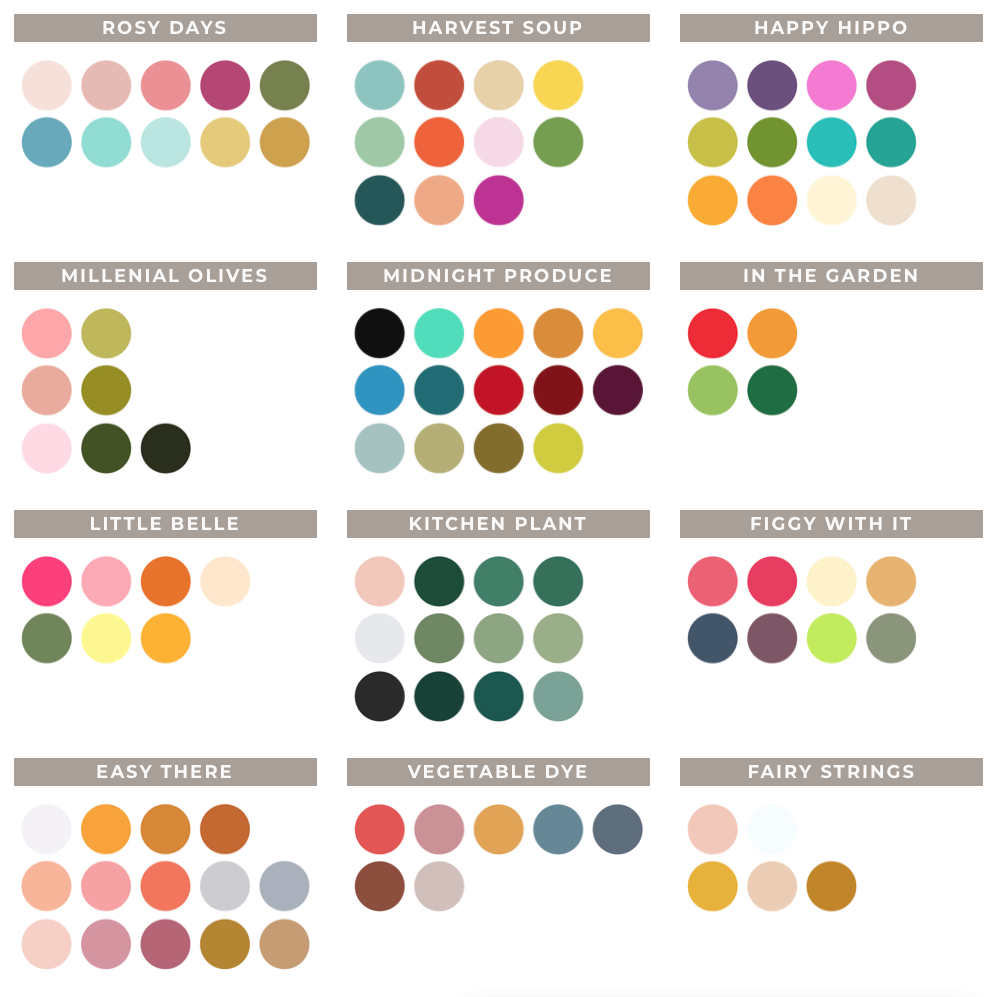
The sensory experience of spring is one of softness and moisture. The air smells of damp earth and new grass. The color palette is pastel and electric—tender greens, cherry blossom pinks, and daffodil yellows. Weather is notoriously volatile; a warm, sunny afternoon can be shattered by a sudden hailstorm or a week of chilling rain. This unpredictability is not a flaw but a feature of spring’s personality. It is a season of becoming, full of false starts and messy growth. It demands patience but rewards it with spectacular beauty, reminding us that creation is rarely a tidy process.

| Feature | Spring | Fall | | :--- | :--- | :--- | | | Rebirth, emergence, potential | Maturity, release, harvest | | Direction of Energy | Outward, upward, expansive | Inward, downward, conserving | | Dominant Mood | Euphoric, impatient, hopeful | Reflective, nostalgic, serene | | Color Palette | Pastel greens, pinks, yellows (new) | Deep golds, oranges, burgundies (dying) | | Scent | Wet earth, fresh blooms, rain | Woodsmoke, spice, damp leaves | | Psychological Impulse | Socializing, starting projects, cleaning (spring cleaning) | Nesting, evaluating, preserving (harvest/home) | | Weather Character | Unpredictable, volatile, cleansing | Stable cooling, crisp, clarifying | | Literary Archetype | The Hero’s Departure (beginning) | The Elegy (reflection on what was) |

Free Procreate Brushes

Want to have some fun in Procreate? Check out our Free Procreate brush sets!

How about some more free stuff?

Free Procreate RESOURCES

Fall And Spring Season ❲LIMITED CHEAT SHEET❳

Spring is the great optimist. Symbolically, it represents the triumph of life over death, warmth over cold, and light over darkness. After months of winter’s dormancy, the first signs of spring—a crocus pushing through frost, the return of birdsong at dawn, the lingering sunset—are met with a sense of relief and euphoria. The season’s core narrative is one of emergence. Scientifically, the increasing angle of the sun and longer days trigger hormonal changes in plants and animals, leading to budding leaves, blossoming flowers, and heightened animal activity. Psychologically, humans often experience a similar “spring fever”: a surge in energy, social motivation, and even romantic interest.

Despite their differences, spring and fall share a crucial commonality: they are both seasons of equilibrium . During the vernal and autumnal equinoxes, day and night are nearly equal across the globe. This balance is a powerful reminder that change is not an abrupt event but a gradual process. They are the only seasons that directly confront us with the concept of transition itself. fall and spring season

If spring is a morning, fall is a late afternoon. Where spring looks forward, fall looks backward. Fall’s narrative is one of culmination and release. The year’s labor—whether agricultural, professional, or personal—comes to fruition. Crops are harvested, gardens are cleared, and the natural world begins its long preparation for rest. There is an inherent wisdom in fall: the understanding that not everything can be carried forward. Trees provide the most dramatic metaphor, pulling chlorophyll from their leaves to reveal brilliant carotenoids (yellows, oranges) and anthocyanins (reds, purples) before severing the leaves completely. This is not an act of defeat but of strategic survival. Spring is the great optimist

The sensory experience of spring is one of softness and moisture. The air smells of damp earth and new grass. The color palette is pastel and electric—tender greens, cherry blossom pinks, and daffodil yellows. Weather is notoriously volatile; a warm, sunny afternoon can be shattered by a sudden hailstorm or a week of chilling rain. This unpredictability is not a flaw but a feature of spring’s personality. It is a season of becoming, full of false starts and messy growth. It demands patience but rewards it with spectacular beauty, reminding us that creation is rarely a tidy process. The season’s core narrative is one of emergence

| Feature | Spring | Fall | | :--- | :--- | :--- | | | Rebirth, emergence, potential | Maturity, release, harvest | | Direction of Energy | Outward, upward, expansive | Inward, downward, conserving | | Dominant Mood | Euphoric, impatient, hopeful | Reflective, nostalgic, serene | | Color Palette | Pastel greens, pinks, yellows (new) | Deep golds, oranges, burgundies (dying) | | Scent | Wet earth, fresh blooms, rain | Woodsmoke, spice, damp leaves | | Psychological Impulse | Socializing, starting projects, cleaning (spring cleaning) | Nesting, evaluating, preserving (harvest/home) | | Weather Character | Unpredictable, volatile, cleansing | Stable cooling, crisp, clarifying | | Literary Archetype | The Hero’s Departure (beginning) | The Elegy (reflection on what was) |