Indian Summer Meaning Origin -

Menu table of contents

BANGKOK TATTOO STUDIO 13 THAILAND

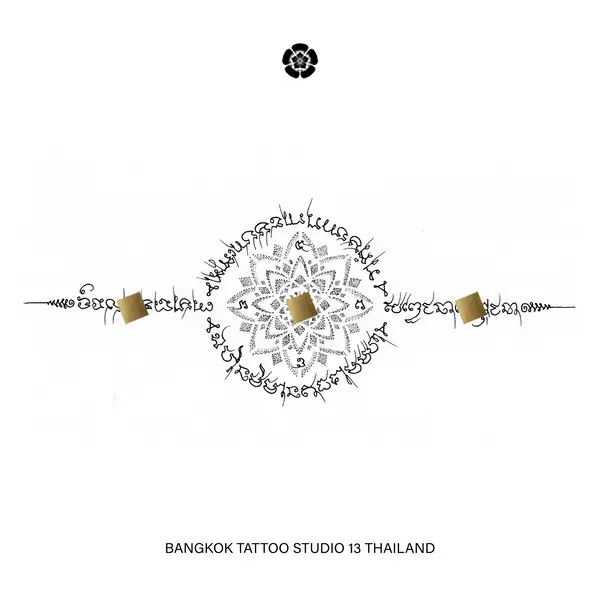
THAI TATTOO SAK YANT POPULAR GALLERY

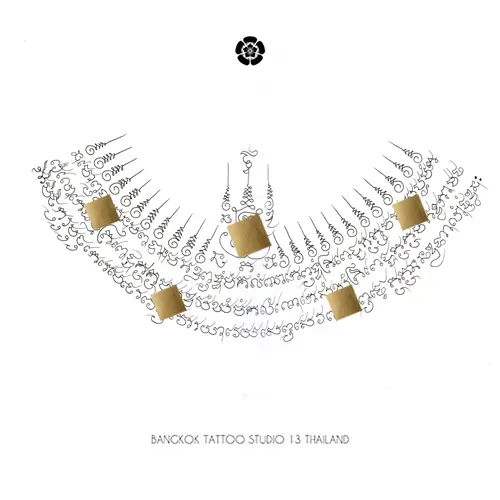
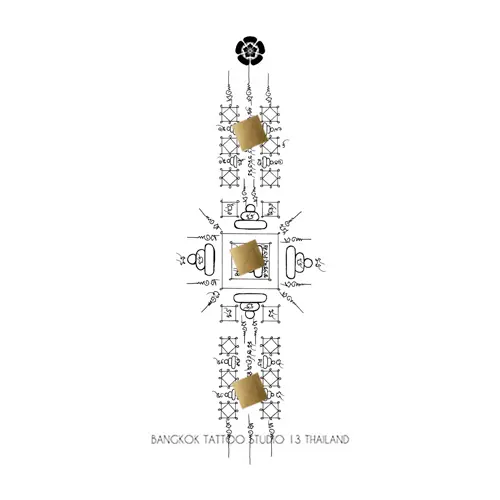
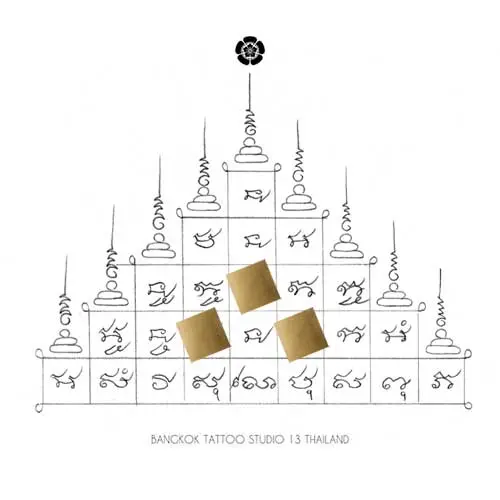
YANT GAO YORD - HAH TAEW - CHAT PETCH - GRAO PHET - PHUTSON - NECKLACE
9-spears
9 Spears
Gao Yord
1-row
1 Row
1 Sacred Line
2-rows
2 Rows
2 Sacred Lines
3-rows
 3 Rows
3 Sacred Lines
5-rows
5 Rows
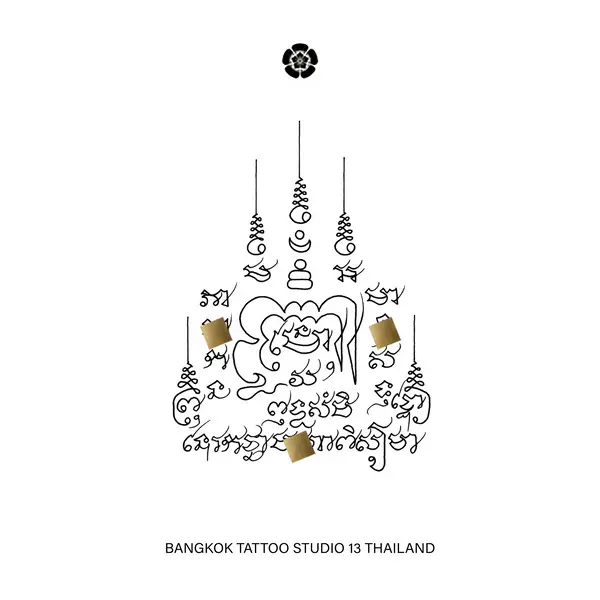
Hah Taew
5-rows-diamond
5 Rows
Grao Paetch
5-rows-lotus
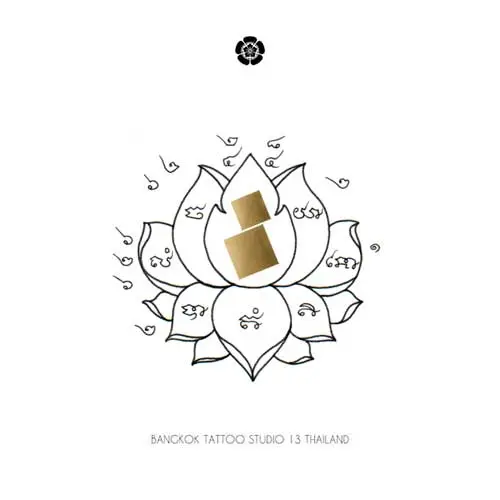
5 Rows Lotus
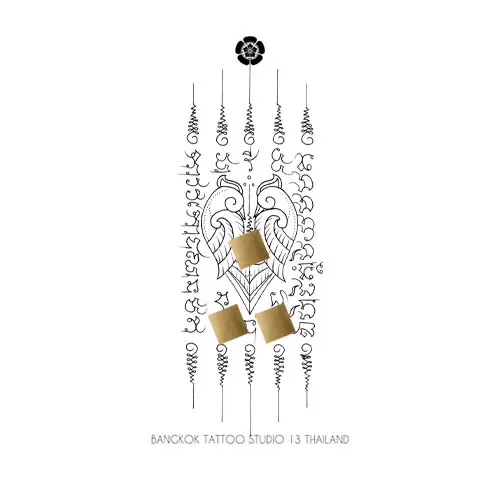
Hah Taew Dok Bua
5-rows-2-birds
5 Rows Birds
Hah Taew Salika Koo
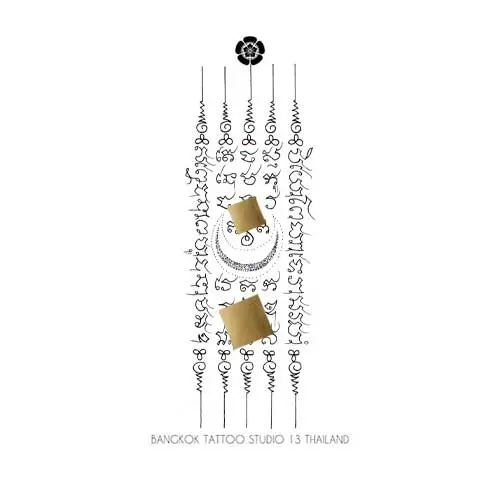
5-rows-moon
5 Rows Moon
Hah Taew Moon
talisman-diamond-armor-crossed-lines
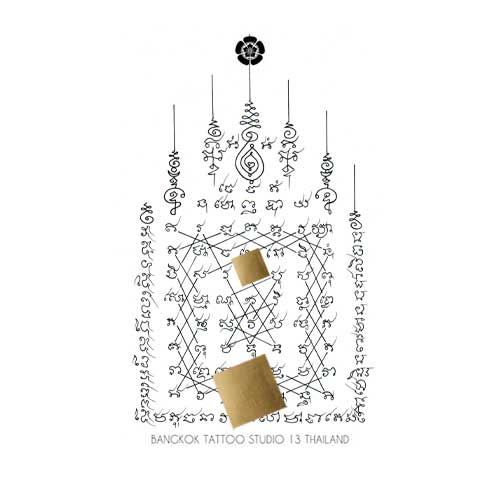
Diamond Armor
Keraa Phet
talisman-diamond-armor-crossed-lines
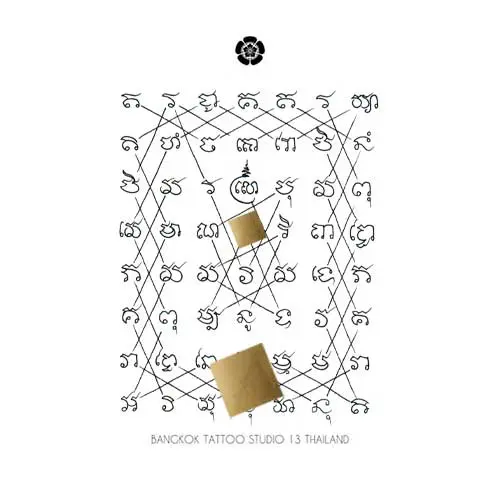
Diamond Armor
Grao Phet
talisman-diamond-armor-crossed-lines
Necklace
Soysungwarn
talisman-diamond-armor-crossed-lines
Pirod
Yant Long Huan Pirod
talisman-diamond-armor-crossed-lines
Louts Flower
Dok Bua
yant-na
Yant
Yant Na

Here are the three most credible theories: The most widely accepted theory is that Native American tribes would use this late-autumn warm spell to hunt and stockpile meat for the coming winter. The mild weather and clear ground made it easier to track animals, especially deer and bison. Early European settlers observed this practice and dubbed the phenomenon "Indian summer." Theory 2: Regional Weather Patterns and "Indian" as a Descriptor In early American English, the word "Indian" was often attached to things that were fake, borrowed, or provisional (e.g., "Indian corn" was a new world grain, "Indian giver" was a derogatory term for a gift with strings attached). Since this warm spell is not a "true" summer but a brief imitation, some believe the term "Indian summer" arose as a way to describe a false or deceptive summer. Theory 3: The Appearance of the Sky Another popular theory points to a visual phenomenon. During these warm autumn spells, the air often becomes hazy due to smoke from distant wildfires (natural or man-made). This haze can make the sun appear dim, red, or orange—similar to the colors of Native American war paint or the smoky fires of their camps. An early 19th-century French-American writer, John Hector St. John de Crèvecœur, wrote about "the Indian summer" in the 1770s, describing the smoky, hazy atmosphere.

This article provides a clear, comprehensive guide to the term's definition, its fascinating (and debated) origins, and its modern-day context. In its most straightforward sense, an Indian summer refers to a period of unseasonably warm, dry, and calm weather that occurs after the first hard frost of autumn (typically in late October or November in the Northern Hemisphere).

However, in today's world, the term carries baggage. For a useful, modern approach, understand its history and definition, but be prepared to use more neutral and respectful alternatives like "second summer" or "late autumn warm spell" in formal writing or diverse company. Knowing both the tradition and the sensitivity allows you to use—or avoid—the phrase wisely.

As the autumn leaves begin to fall and the first chill of frost nips at the air, you might hear weather forecasters or older generations mention an "Indian summer." But what exactly does this phrase mean, where did it come from, and is it still acceptable to use today?
THAI TATTOO SAK YANT GODS & GODDESS

PHRA PIKANET - YANT PHRA PIDTA
ganesha
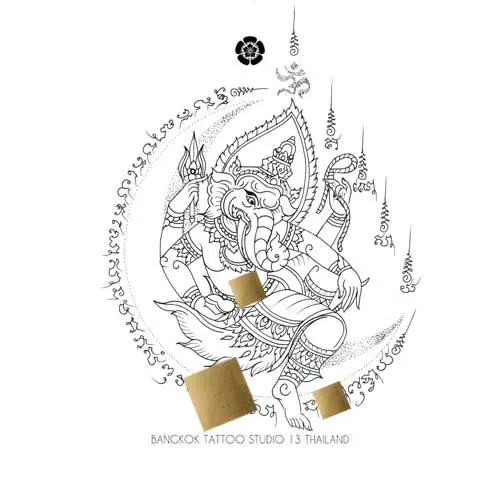
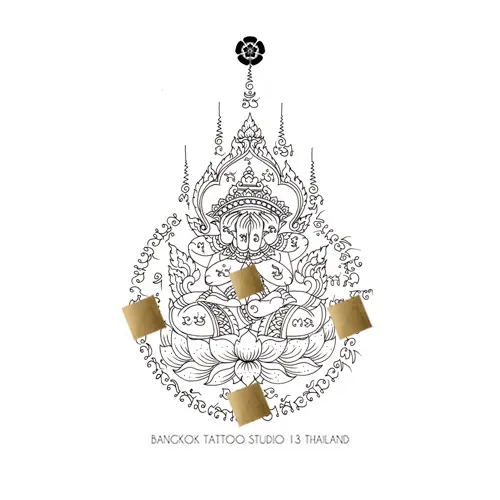
Ganesha
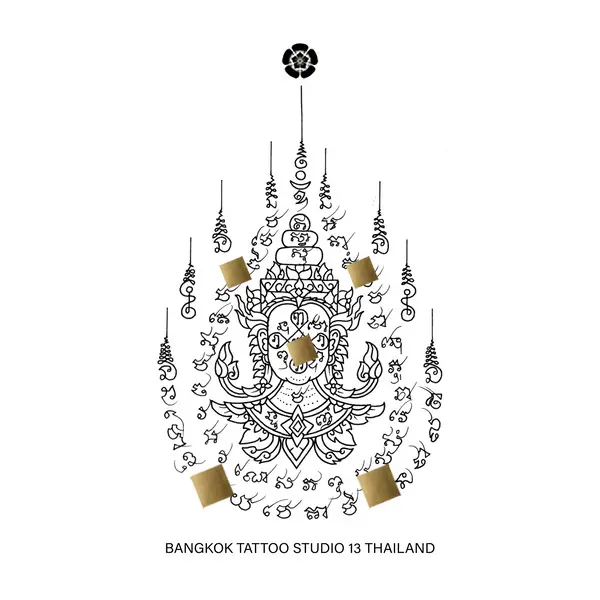
Phra Pikanet
garuda
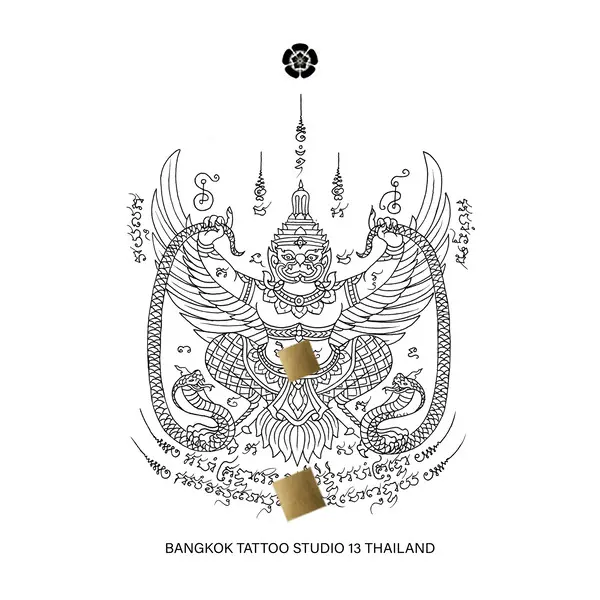
Garuda
Garuda
hanuman
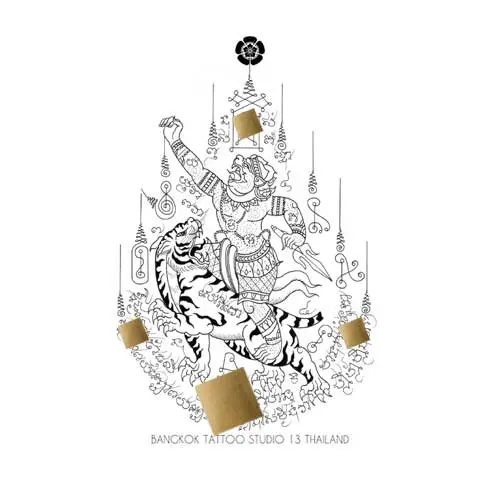
Hanuman
Hanuman
phra-pidta
Phra Pidta
Phra Pidta
golden-face
Phra Laksamana
Golden Face

Indian Summer Meaning Origin -

Here are the three most credible theories: The most widely accepted theory is that Native American tribes would use this late-autumn warm spell to hunt and stockpile meat for the coming winter. The mild weather and clear ground made it easier to track animals, especially deer and bison. Early European settlers observed this practice and dubbed the phenomenon "Indian summer." Theory 2: Regional Weather Patterns and "Indian" as a Descriptor In early American English, the word "Indian" was often attached to things that were fake, borrowed, or provisional (e.g., "Indian corn" was a new world grain, "Indian giver" was a derogatory term for a gift with strings attached). Since this warm spell is not a "true" summer but a brief imitation, some believe the term "Indian summer" arose as a way to describe a false or deceptive summer. Theory 3: The Appearance of the Sky Another popular theory points to a visual phenomenon. During these warm autumn spells, the air often becomes hazy due to smoke from distant wildfires (natural or man-made). This haze can make the sun appear dim, red, or orange—similar to the colors of Native American war paint or the smoky fires of their camps. An early 19th-century French-American writer, John Hector St. John de Crèvecœur, wrote about "the Indian summer" in the 1770s, describing the smoky, hazy atmosphere.

This article provides a clear, comprehensive guide to the term's definition, its fascinating (and debated) origins, and its modern-day context. In its most straightforward sense, an Indian summer refers to a period of unseasonably warm, dry, and calm weather that occurs after the first hard frost of autumn (typically in late October or November in the Northern Hemisphere).

However, in today's world, the term carries baggage. For a useful, modern approach, understand its history and definition, but be prepared to use more neutral and respectful alternatives like "second summer" or "late autumn warm spell" in formal writing or diverse company. Knowing both the tradition and the sensitivity allows you to use—or avoid—the phrase wisely.

As the autumn leaves begin to fall and the first chill of frost nips at the air, you might hear weather forecasters or older generations mention an "Indian summer." But what exactly does this phrase mean, where did it come from, and is it still acceptable to use today?
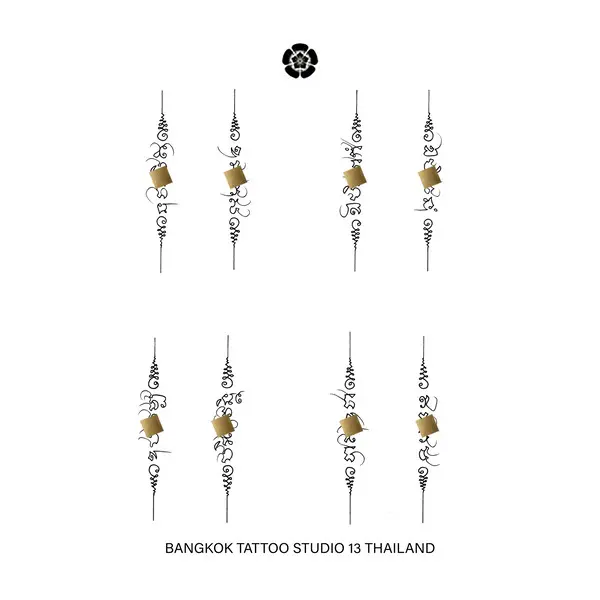
THAI TATTOO SAK YANT SQUARE SACRED GEOMETRY

7-flag-sak-yant
7 Flag
Thong Maharaj
square-sak-yant
Talisman Square
Phayakarn
Phaya Kai Thuan
buddha-sak-yant
Talisman Buddha
Trakrut Phra Buddha Nimit
square-sak-yant
Talisman Square
Maha Mokkallana
masking-buddha-sak-yant
Talisman Square
Masking Buddha
spell-of-god-sak-yant
Spell Of God 
God 16 He
talisman-lunar--sak-yant
Talisman Lunar
Yant Phanachak
wrong-sak-yant
Talisman Square
Wrong Kesa

© Copyright 2025 Bangkok Tattoo Studio 13. All Rights Reserved