How Adult Children Can Set Boundaries With Their Parents
Adult Children Set The Rules for How They Live. Adult children often ask me to coach them on how to deal with parents…
In conclusion, the story of Lilly Hall and her hijab is a testament to the quiet courage required to live authentically in a world that often demands assimilation. It serves as a cautionary tale for schools that mistake uniformity for unity. By penalizing her choice, the institution failed not only Lilly but its own educational mission. Schools are meant to prepare students for the real world—a world filled with diverse beliefs, complex identities, and uncomfortable differences. If a young woman cannot learn to coexist with a classmate’s headscarf, she cannot learn to coexist with the world. Lilly Hall’s hijab was not a disruption; it was a lesson. The only question that remains is whether the institution, and society at large, is ready to learn it.
However, proponents of restrictive dress codes might argue that institutions require uniformity to maintain neutrality and discipline. They posit that religious symbols invite division or that the hijab specifically represents gender inequality. Yet, this argument collapses under the weight of its own logic. True neutrality is not the absence of symbols but the equal protection of all consciences. Forcing a student like Lilly Hall to remove her hijab does not create a neutral space; it creates a secularly coercive one. Moreover, to claim the hijab oppresses women is to silence the very women, like Lilly, who claim it as liberating. The paternalistic act of banning the garment under the guise of saving the wearer is a classic example of colonial logic—speaking for the "other" while refusing to listen to them. Lilly Hall’s defiance was not an endorsement of patriarchy; it was an assertion of her agency against a different kind of authoritarianism: institutional conformity. lilly hall hijab
In the tapestry of modern educational discourse, few threads are as delicate or as fiercely contested as the right to religious expression. The case of Lilly Hall, a student whose choice to wear the hijab ignited a significant controversy, serves as a powerful microcosm of the broader societal struggle between institutional regulation and individual identity. While some may view the hijab through a purely political or secular lens, the Lilly Hall incident illustrates that the garment is, first and foremost, an act of profound personal faith and resilience. Ultimately, the controversy surrounding Lilly Hall underscores the critical necessity for educational institutions to protect religious freedom, not merely as a legal obligation, but as a cornerstone of authentic inclusion. In conclusion, the story of Lilly Hall and
The Veil of Courage: Deconstructing the Lilly Hall Hijab Incident Schools are meant to prepare students for the
Furthermore, the reaction to Lilly Hall’s hijab highlights a dangerous double standard regarding religious symbolism. In many secular societies, crucifixes, yarmulkes, or turbans are often accommodated, yet the hijab frequently draws unique scrutiny. This disparity stems from a persistent, often Islamophobic, narrative that views Islam as inherently incompatible with Western liberal values. The fear surrounding the hijab is rarely about the fabric itself, but about what the observer projects onto it: terrorism, patriarchy, or separatism. By penalizing Lilly Hall, the institution implicitly validated these prejudices, prioritizing a sanitized, secular aesthetic over the messy, beautiful reality of a pluralistic student body. Education is supposed to be the enemy of ignorance; banning the hijab teaches only that difference is dangerous rather than educational.
To understand the gravity of the Lilly Hall incident, one must first strip away the layers of political baggage often attached to the hijab in Western media. For many Muslim women, the hijab is not a symbol of oppression but one of devotion, modesty, and a public declaration of their relationship with God. In Lilly Hall’s case, donning the headscarf was reportedly an act of spiritual maturation—a personal decision made after deep reflection. The ensuing backlash from school administrators or peers, depending on the specific variant of the case, therefore represented more than a dress code violation; it was a direct challenge to her spiritual autonomy. When an institution tells a student that her deeply held belief is unwelcome, it communicates that her identity must be checked at the schoolhouse door. This creates a psychological rift, forcing the student to choose between academic acceptance and religious salvation.

Becky Whetstone, Ph.D., is a licensed Marriage and Family Therapist in Arkansas and Texas* and is known as America’s Marriage Crisis Manager®. She is a former features writer and columnist for the San Antonio Express-News and has worked with thousands of couples to save their marriages.
She can work with you, too, as a life coach if you’re not in Texas or Arkansas. She is also co-host of the YouTube Call Your Mother Relationship Show and has a telehealth private practice as a therapist and life coach via Zoom.
You can contact her here. And don't forget to check out her therapy site at DoctorBecky.com. When she's not writing on her own blog, you can find her features on Huffington Post and Medium.
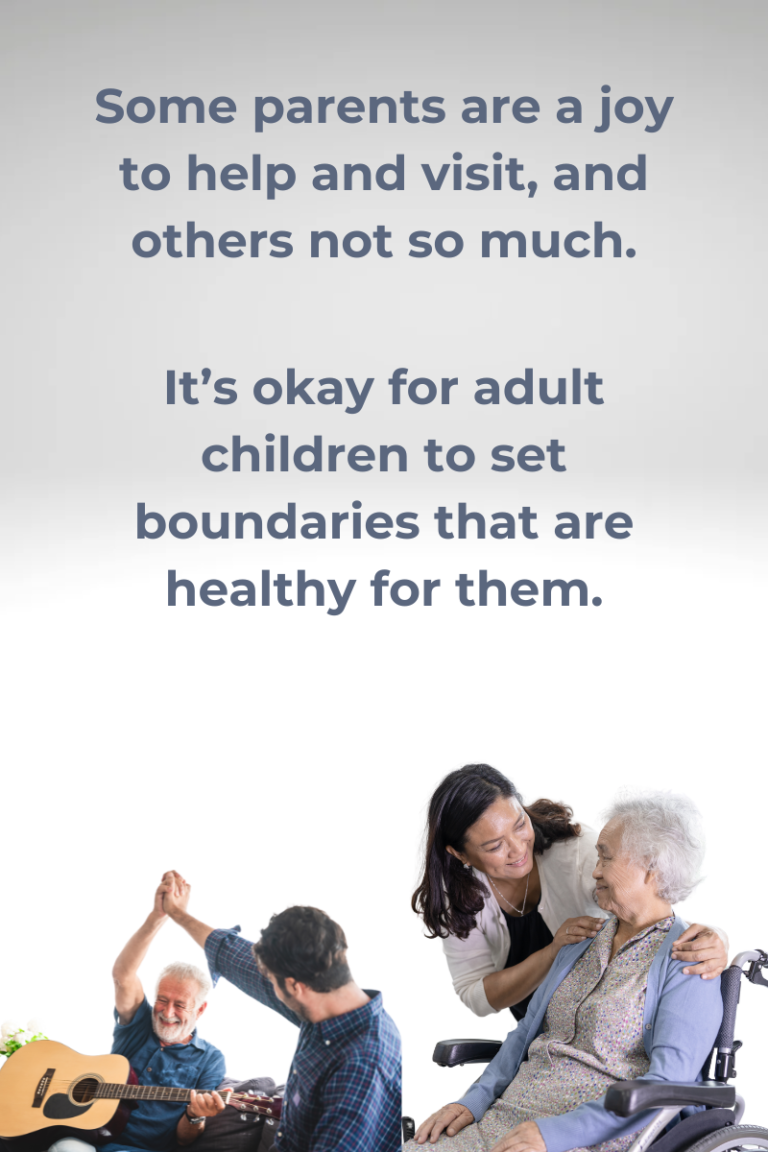
Adult Children Set The Rules for How They Live. Adult children often ask me to coach them on how to deal with parents…

Huffington Post blogger Brittany Wong recently quoted Dr. Becky in an article focusing on the discussions couples need to have before getting…
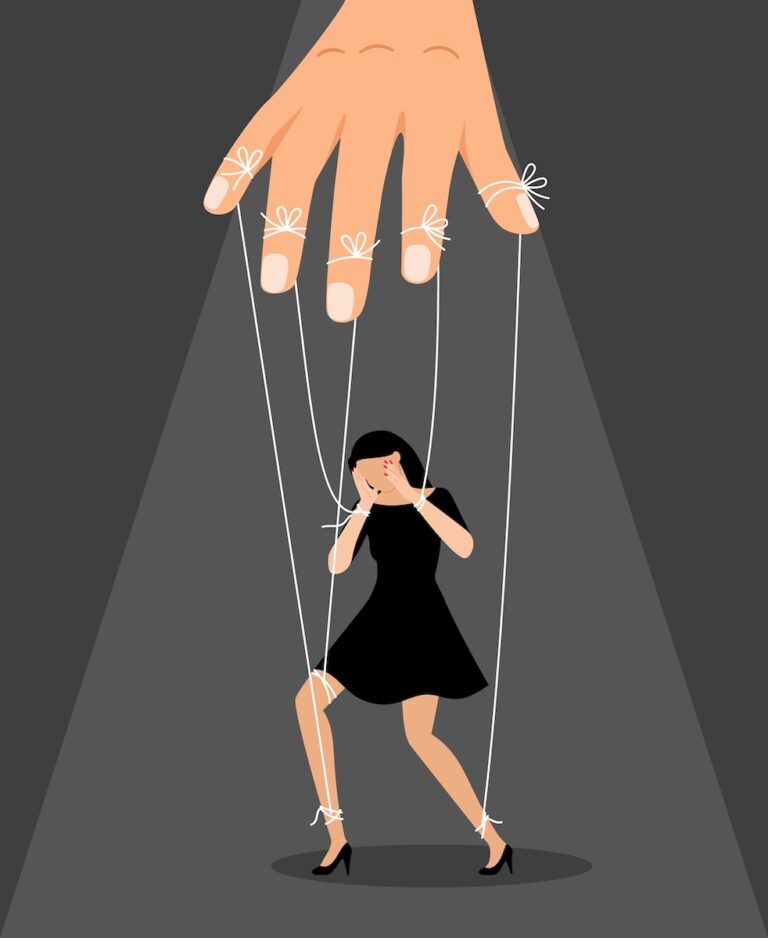
Expectations of one adult to another are an enormous waste of time, as is wishing the person was different than what they are, but controlling partners are usually full of them. Think about how completely ridiculous it is: I have a variety of rules and guidelines in my head that I expect you to follow, or I’ll be mad at you. Who in the heck do these people think they are?
Old friends are getting together again after 30 years; what a tale my friend told about her 35-year unhappy marriage and…

Aging your way and making age-related decisions for yourself by Becky Whetstone, Ph.D. Should people do all they can cosmetically and…

Therapists are human; if they’re like me, they root for their clients. It’s sometimes painful to watch when they refuse to…
SIGN UP BELOW and
We promise not to abuse it or bombard you with spam, and we will never sell it.
No products in the cart.