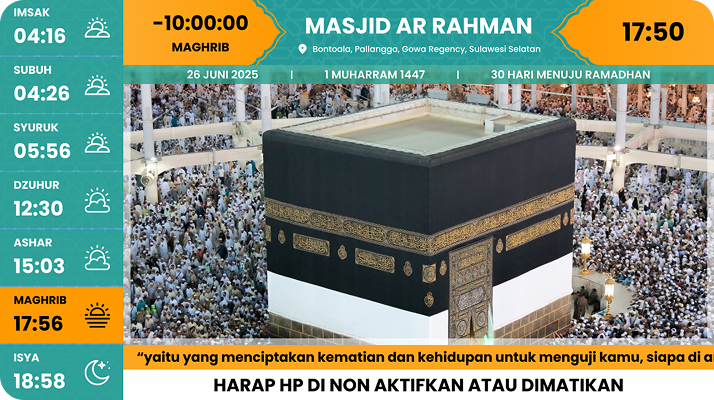
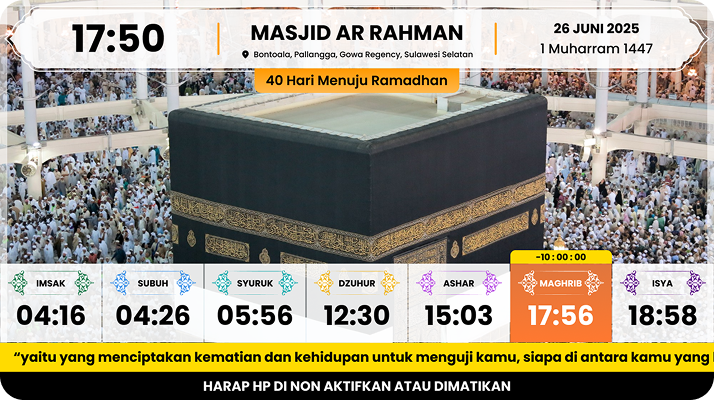
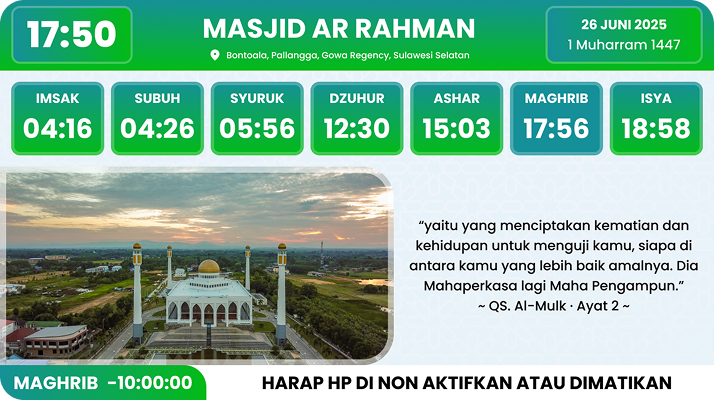
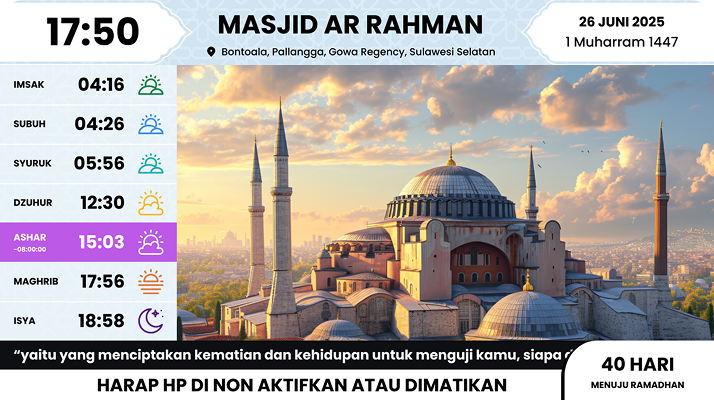
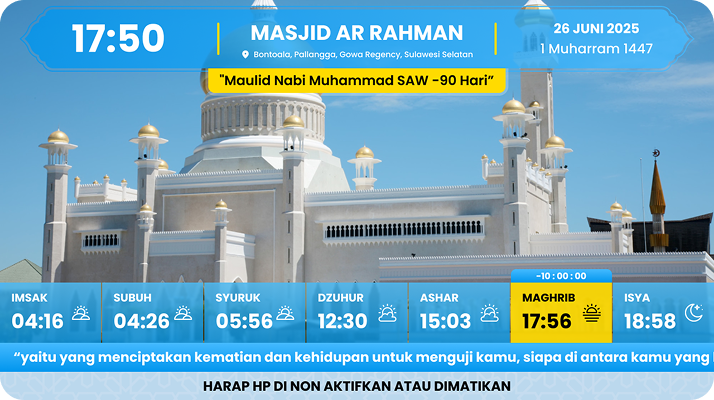
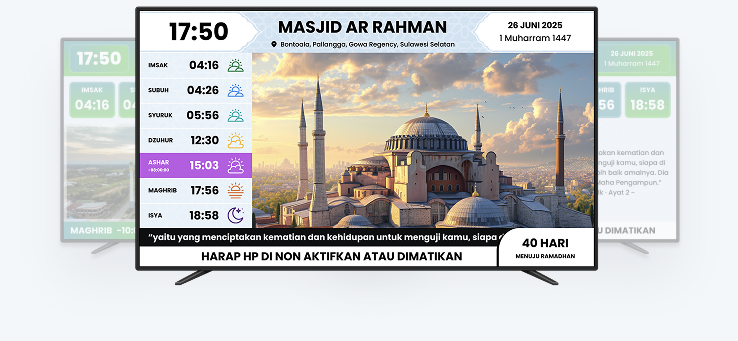
Aplikasi jam digital terbaik untuk masjid, menampilkan jadwal sholat otomatis dan akurat sesuai
waktu resmi Kementerian Agama, dilengkapi fitur pengingat adzan dan iqomah serta desain tampilan
yang elegan.
The rain had stopped, but the world was still wet. Hina knelt by the edge of the awa (river), her fingers trailing in the cold, clear water. She was ten years old, and she was bored.
“Koro,” she called to her grandfather, who was patiently weaving a hīnaki (eel trap) from supplejack vines. “Why do we have to come here every weekend? There’s nothing to do .” “Water
Rangi picked up a smooth, round stone from the riverbed. “Imagine this stone is a life. My father gave it to me. I give it to you.” He placed it in Hina’s wet palm. “ Mahinga kai is the act of keeping that stone moving. It’s not a thing. It’s a verb. It’s the walking, the watching, the weaving, the waiting. It is the value of being kaitiaki —a guardian, not just a consumer.”
He chuckled, a low, gravelly sound. “Weeds? Come here.” Some weeds
He smiled, the wrinkles around his eyes deepening like the river’s own tributaries. “Now,” he said, “you’re beginning to understand mahinga kai .”
Aplikasi Lima Waktu
LIMA WAKTU adalah inovasi teknologi masjid modern yang mengubah jam
digital biasa menjadi TV digital interaktif berbasis aplikasi. Tidak hanya
menampilkan jadwal sholat seperti jam digital konvensional, LIMA
WAKTU memudahkan pengelolaan informasi masjid secara otomatis dan fleksibel, dengan
visual yang menarik dan interaktif.
Berbeda dengan jam digital tradisional yang terbatas pada penunjuk waktu, LIMA WAKTU menawarkan
fitur lengkap, mulai dari jadwal sholat otomatis, mode iqamah, pengumuman masjid,
hingga media dakwah inspiratif. Selain memudahkan pengelolaan, LIMA WAKTU juga mempercantik tampilan
ruang utama masjid, sekaligus menambah nilai dakwah bagi jamaah.
“Water. Rocks. A dead log. Some weeds.”
“Those are tuna (eels),” Koro said. “They sleep in the mud during the day. At night, they’ll swim right into this hīnaki I’m making.”
Hina leaned closer. Little bubbles rose to the surface.
The rain had stopped, but the world was still wet. Hina knelt by the edge of the awa (river), her fingers trailing in the cold, clear water. She was ten years old, and she was bored.
“Koro,” she called to her grandfather, who was patiently weaving a hīnaki (eel trap) from supplejack vines. “Why do we have to come here every weekend? There’s nothing to do .”
Rangi picked up a smooth, round stone from the riverbed. “Imagine this stone is a life. My father gave it to me. I give it to you.” He placed it in Hina’s wet palm. “ Mahinga kai is the act of keeping that stone moving. It’s not a thing. It’s a verb. It’s the walking, the watching, the weaving, the waiting. It is the value of being kaitiaki —a guardian, not just a consumer.”
He chuckled, a low, gravelly sound. “Weeds? Come here.”
He smiled, the wrinkles around his eyes deepening like the river’s own tributaries. “Now,” he said, “you’re beginning to understand mahinga kai .”