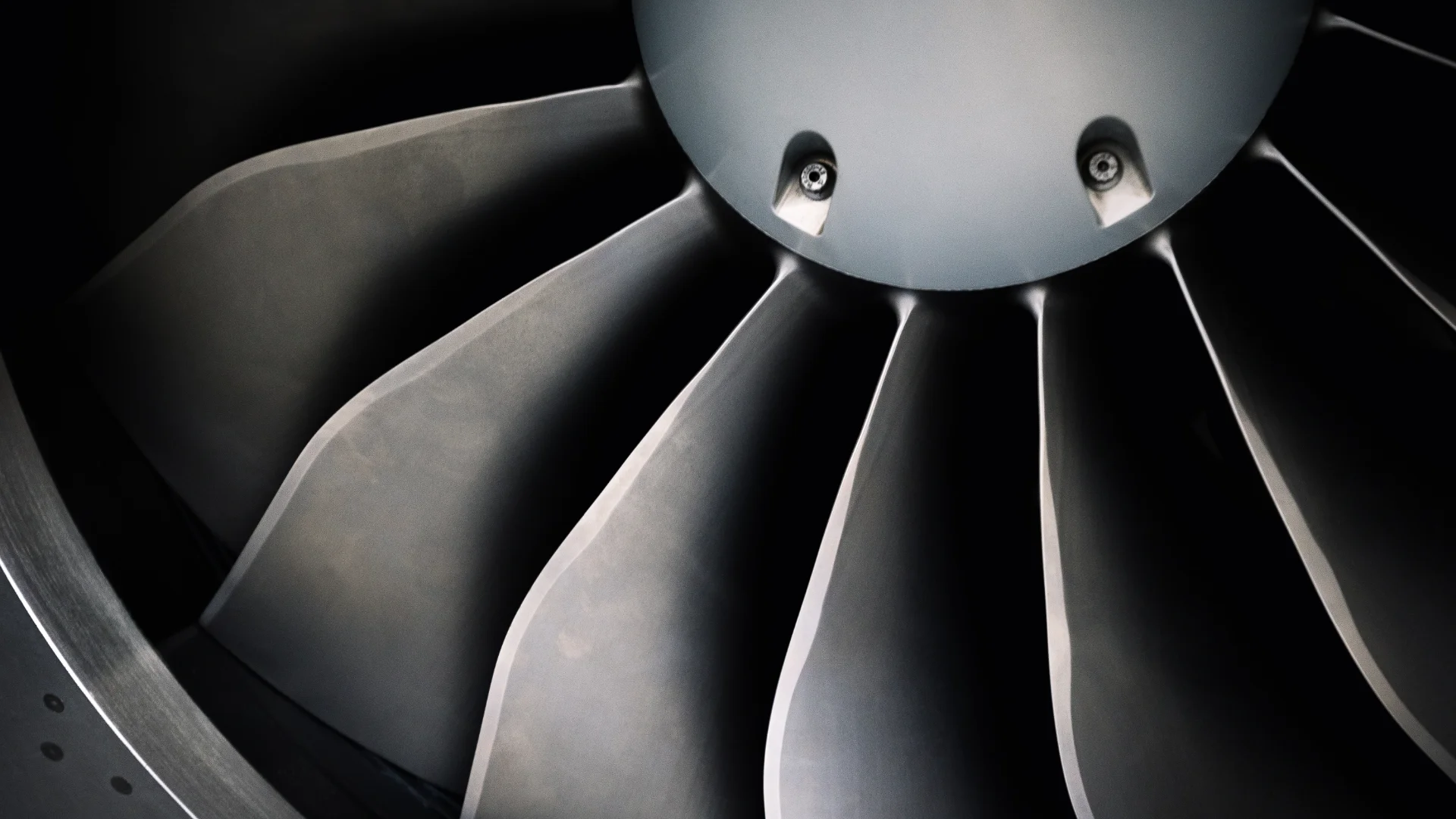
Embraer is one of the world’s aerospace industry leaders, operating in the Commercial Aviation, Executive Jets, Defense & Security, and Services & Support segments. With over 55 years of aeronautical expertise and a culture of excellence focused on safety, quality and sustainability, we are shaping the future of air mobility.
In the 20th century, military drill transitioned from battlefield necessity to primary ceremonial and disciplinary tool. Simultaneously, marching bands evolved from military musicians into independent competitive and performance ensembles, most famously through the innovations of Drum Corps International (DCI) beginning in the 1970s. Beyond the physical, marching is a tool for psychological conditioning. The repetitive, demanding nature of drill breaks down individual resistance and forges a collective identity. Learning to execute a complex maneuver as one unit builds trust, cohesion, and automatic obedience to commands ("muscle memory").
For the individual, mastering marching instills The simple act of stopping precisely, turning exactly 90 degrees, or maintaining a perfect interval teaches a form of embodied precision that translates into mental discipline. Conversely, for the observer, a perfectly executed massed march is a powerful symbol—of state authority, military power, or unified peaceful resolve.
The 16th-17th century saw a revolution with the introduction of firearms. The required tightly packed ranks of soldiers to move, load, aim, and fire in perfect synchronization. The Dutch military innovator Maurice of Nassau codified the manual of arms and marching drill, which was then perfected by Gustavus Adolphus of Sweden. The Prussian army under Frederick the Great elevated marching to an almost mechanical art, famous for the goose-step, designed to maintain tight formation and preserve the soldier's connection to the unit over rough ground.

We have a clear strategy focused on sustainable growth, driven by efficiency and innovation. Embraer offers the most modern, cost-effective and technologically advanced aircraft across commercial aviation, executive jets and defense.
In the 20th century, military drill transitioned from battlefield necessity to primary ceremonial and disciplinary tool. Simultaneously, marching bands evolved from military musicians into independent competitive and performance ensembles, most famously through the innovations of Drum Corps International (DCI) beginning in the 1970s. Beyond the physical, marching is a tool for psychological conditioning. The repetitive, demanding nature of drill breaks down individual resistance and forges a collective identity. Learning to execute a complex maneuver as one unit builds trust, cohesion, and automatic obedience to commands ("muscle memory").
For the individual, mastering marching instills The simple act of stopping precisely, turning exactly 90 degrees, or maintaining a perfect interval teaches a form of embodied precision that translates into mental discipline. Conversely, for the observer, a perfectly executed massed march is a powerful symbol—of state authority, military power, or unified peaceful resolve.
The 16th-17th century saw a revolution with the introduction of firearms. The required tightly packed ranks of soldiers to move, load, aim, and fire in perfect synchronization. The Dutch military innovator Maurice of Nassau codified the manual of arms and marching drill, which was then perfected by Gustavus Adolphus of Sweden. The Prussian army under Frederick the Great elevated marching to an almost mechanical art, famous for the goose-step, designed to maintain tight formation and preserve the soldier's connection to the unit over rough ground.

 CLOSE
CLOSE
 CLOSE
CLOSE
 View all sections