




mina moreno

Mina Moreno — Easy

mina moreno
mina moreno
Academy Award Winner Best Animated Short Film

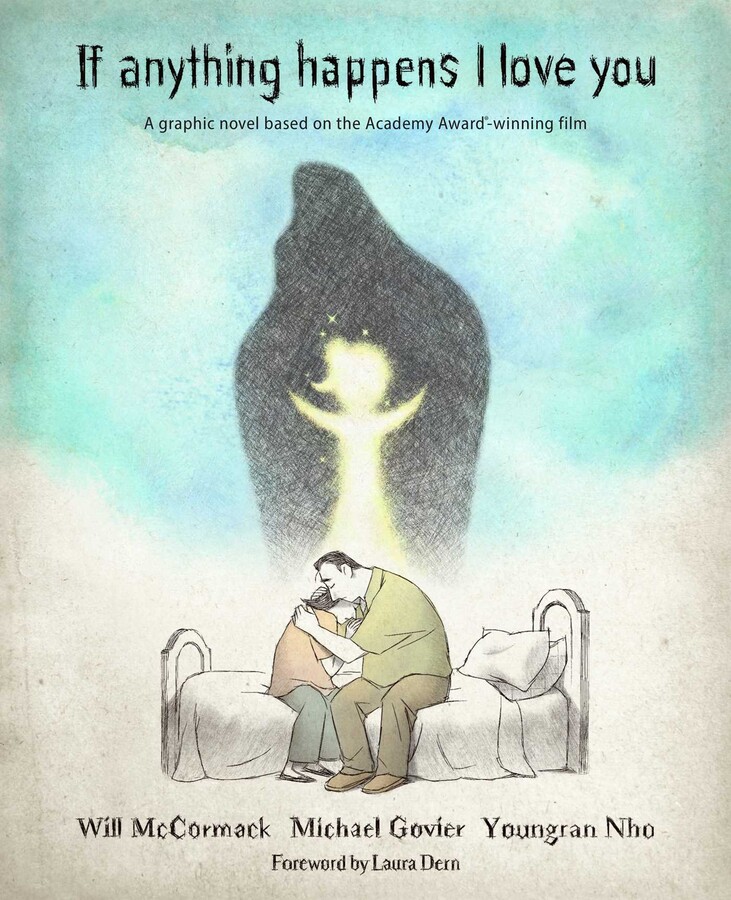
Now a graphic novel.Purchase here

Graphic novel cover

"Heavy pain exquisitely rendered."
—Kirkus Starred Review

Watch now on
Netflix

A moving experience for all those lost
and those left behind.

mina moreno
Current Time 0:00
/
Duration Time 1:17
Loaded: 0%
Progress: 0.00%
mina moreno
mina moreno

mina moreno Press

mina moreno

Mina Moreno — Easy

The story turns tragic, as all good desert-sea legends do. Some say she found the last great pearl of the Cortez—a black orb the size of a quail’s egg—and a trader from La Paz murdered her for it. Others insist she simply swam too deep one morning, chasing a school of jacks, and forgot to come back up. Her body was never found. The sea, as it tends to do, kept its secret.

Mina Moreno isn't a place you visit. It's a place you earn. mina moreno

The story goes that in the 1920s, Mina Moreno wasn’t a place, but a person. A pearl diver. In an era when the sea belonged to men in heavy copper helmets and canvas suits, Mina was a ghost: a woman who could hold her breath for three minutes and dive to sixty feet without gear. She worked the oyster beds when the great pearl boom was already dying, scavenging the leftovers the corporations had missed. The story turns tragic, as all good desert-sea legends do

The name isn't official. It won't appear on any government registry. But Mina Moreno endures because some places refuse to belong to cartographers. They belong to the ones who paid for them with their lungs, their loneliness, and their love for the deep. Every time a diver breaks the surface in that cove, gasping and blinking in the sudden light, they inherit a piece of her breath. Her body was never found

What remains is the cove. To reach Mina Moreno today, you have to swim through a narrow crack in the cliff at high tide, a passage just wide enough for a single body. On the other side, the water is so clear you can see the cross-hatched scars on the ocean floor where she pried open a thousand oysters. If you float there, on your back, looking up at the circle of sky framed by stone, you’ll understand why she stayed.

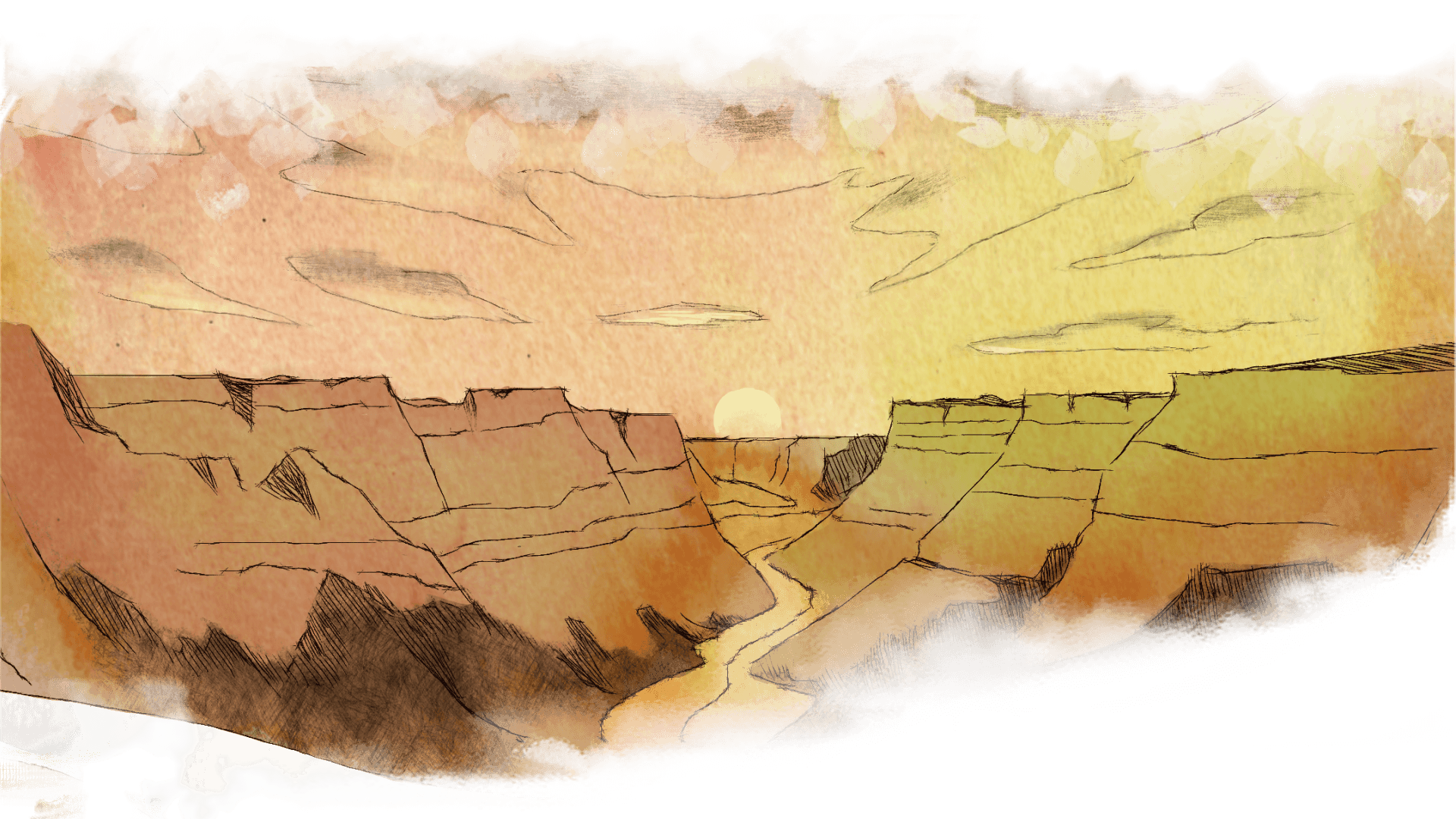
She wasn’t tall, they say, but she was built like a manta ray—lean, dark, and impossible to hold. Her hair, black as wet slate, would fan out behind her in the current like smoke. She lived alone in a small stone shelter tucked into a hidden inlet, a place where the cliffs curl inward to form a natural amphitheater of pink granite. By day, she dove. By night, she lit a single candle in a glass jar, and the men on passing boats would argue about whether it was a star fallen too low or a warning light for a reef that didn't exist.
mina moreno

The story turns tragic, as all good desert-sea legends do. Some say she found the last great pearl of the Cortez—a black orb the size of a quail’s egg—and a trader from La Paz murdered her for it. Others insist she simply swam too deep one morning, chasing a school of jacks, and forgot to come back up. Her body was never found. The sea, as it tends to do, kept its secret.

Mina Moreno isn't a place you visit. It's a place you earn.

The story goes that in the 1920s, Mina Moreno wasn’t a place, but a person. A pearl diver. In an era when the sea belonged to men in heavy copper helmets and canvas suits, Mina was a ghost: a woman who could hold her breath for three minutes and dive to sixty feet without gear. She worked the oyster beds when the great pearl boom was already dying, scavenging the leftovers the corporations had missed.

The name isn't official. It won't appear on any government registry. But Mina Moreno endures because some places refuse to belong to cartographers. They belong to the ones who paid for them with their lungs, their loneliness, and their love for the deep. Every time a diver breaks the surface in that cove, gasping and blinking in the sudden light, they inherit a piece of her breath.

What remains is the cove. To reach Mina Moreno today, you have to swim through a narrow crack in the cliff at high tide, a passage just wide enough for a single body. On the other side, the water is so clear you can see the cross-hatched scars on the ocean floor where she pried open a thousand oysters. If you float there, on your back, looking up at the circle of sky framed by stone, you’ll understand why she stayed.

She wasn’t tall, they say, but she was built like a manta ray—lean, dark, and impossible to hold. Her hair, black as wet slate, would fan out behind her in the current like smoke. She lived alone in a small stone shelter tucked into a hidden inlet, a place where the cliffs curl inward to form a natural amphitheater of pink granite. By day, she dove. By night, she lit a single candle in a glass jar, and the men on passing boats would argue about whether it was a star fallen too low or a warning light for a reef that didn't exist.

mina moreno
InstagramTwitterFacebook

Follow @IfAnything_Film

mina moreno   For press inquiries, please contact [email protected]

mina moreno
Copyright © 2020 Oh Good Productions