blankcard.stl for 3D printingAs long as there are heavy 808s and a need for "hard" editing content, the ghost of Sidhu Moose Wala will continue to ride the Bilibili bullet curtain—one bass drop at a time. Disclaimer: This article discusses unofficial fan edits and cultural trends. Bilibili primarily operates within the legal framework of the People's Republic of China, and all content is subject to local regulations.
For many young Chinese netizens, this is their first exposure to Punjabi language. They are learning slang words like "22" (Punjabi code for a .22 caliber pistol) or "Jatt" (a landowning caste/community identity) through Bilibili comments.
Since "Nishaanchi" is not a mainstream global term, this article is based on the context of independent music, South Asian hip-hop, and Bilibili’s unique role as a hub for niche international content. By [Author Name]
In the vast, algorithm-driven ecosystem of global social media, cultural cross-pollination often happens in the most unexpected places. While TikTok and Instagram Reels dominate Western headlines, the Chinese platform has quietly become a sanctuary for niche international music scenes. One of the most surprising recent trends on the platform is the growing fascination with "Nishaanchi" —a term associated with raw, folk-infused Punjabi hip-hop. What is "Nishaanchi"? To understand the trend, one must first understand the term. "Nishaanchi" (often stylized as Nishanchi ) is derived from the Punjabi word for a target or mark ( nishana ). In the context of music, it is closely linked to the track "Nishaanchi" by the late Punjabi singer and rapper Sidhu Moose Wala , specifically from his collaborative work with producers like The Kidd or tracks that embody the "gangster folk" aesthetic.
Conversely, for the South Asian diaspora, seeing their niche music celebrated on a major Chinese platform is surreal. It suggests that the global "underground" is truly borderless. Will "Nishaanchi" break into the Chinese mainstream? Unlikely. The language barrier and the lack of official distribution for Punjabi music in China will keep it a niche interest. However, Bilibili has proven that it is the premier destination for the "hyper-niche."
Reach us via email if you can help.
Many thanks to our supporters and contributors who have joined us in this pursuit of preserving this segment of digital history:
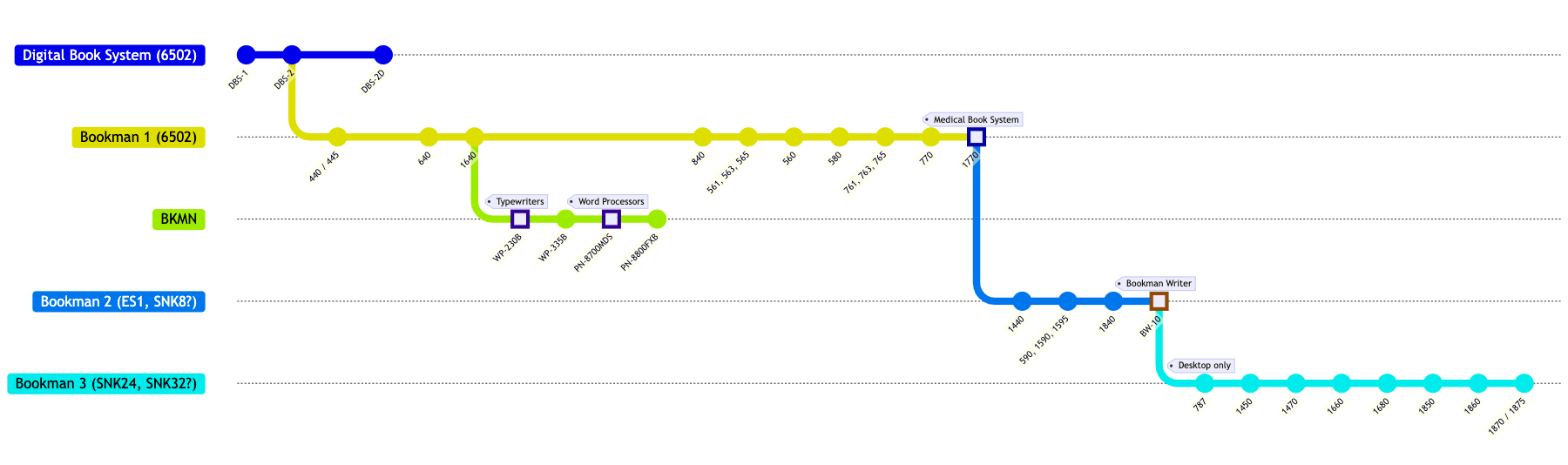
Bookman system compatibility chart coming soon.
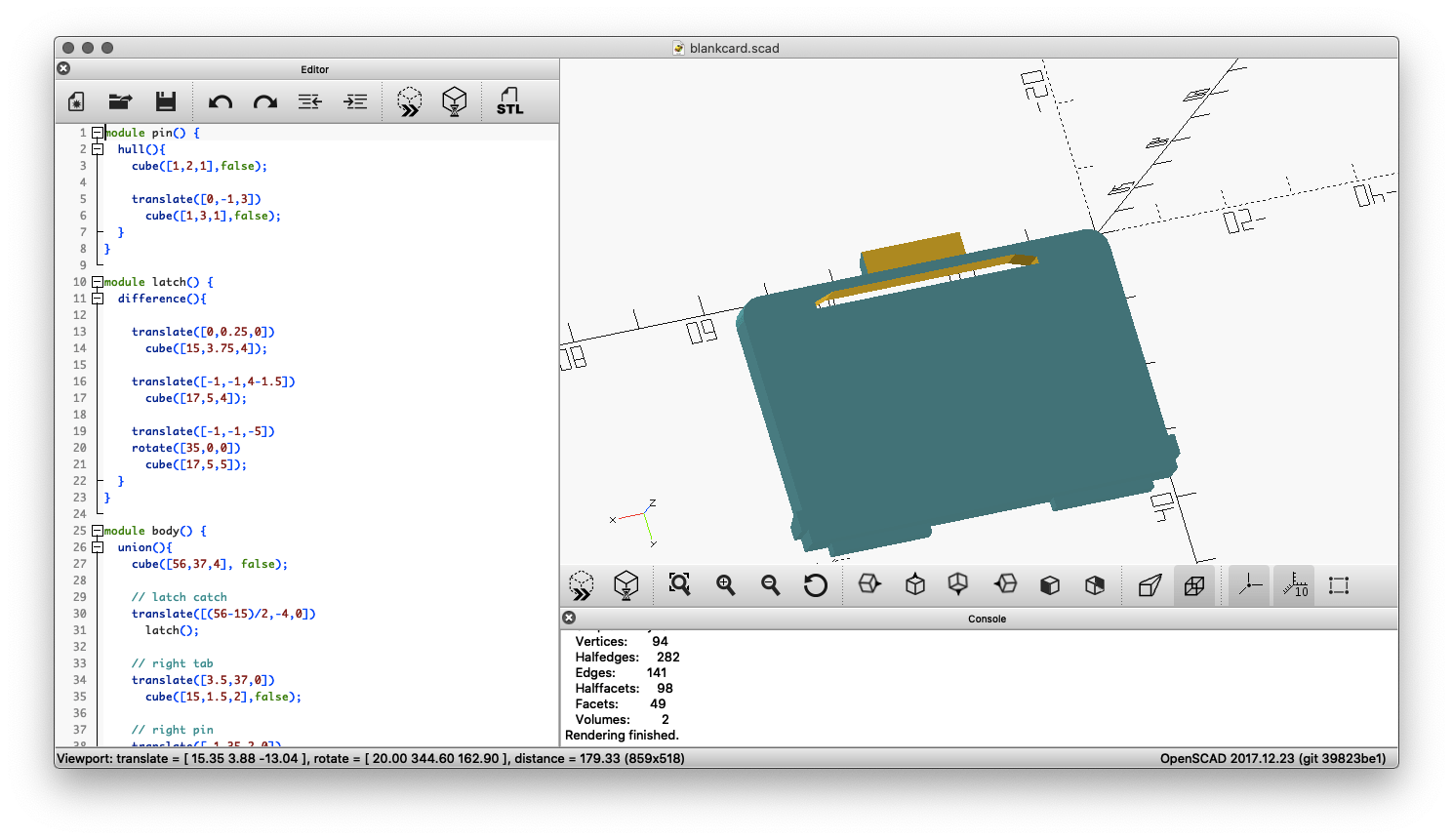
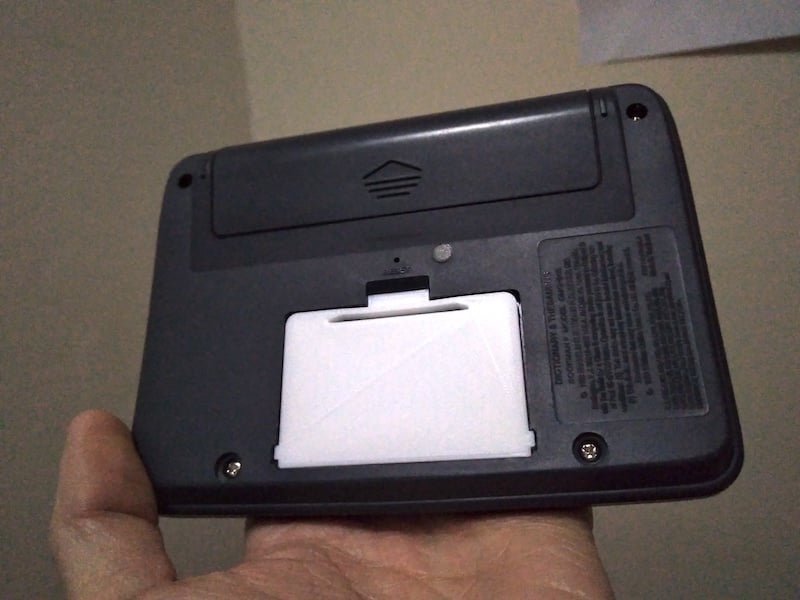
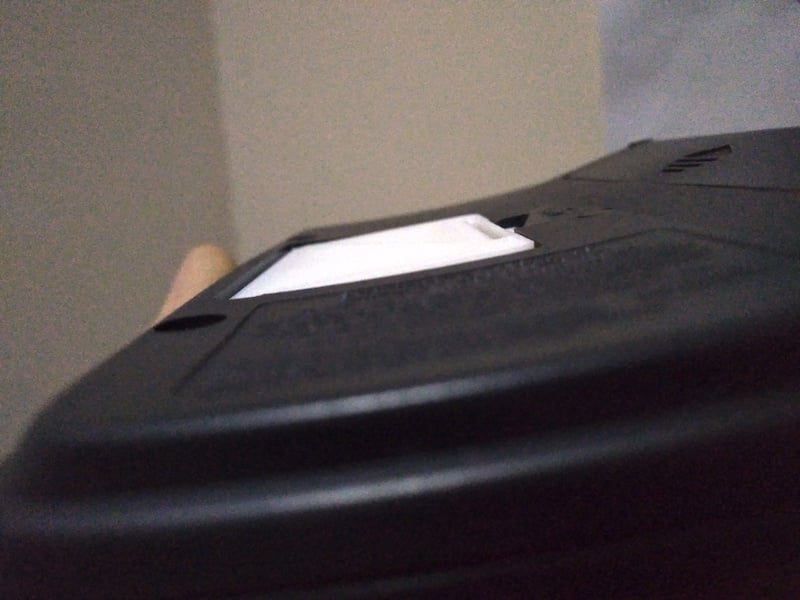
This 3D printable card blank will ensure your Bookman cartridge contact strip stays clean and sits flush with the rest of the device by filling the card slot.
|
|
|
Download blankcard.stl for 3D printing |
||
This tool is used to create replacement labels for Franklin BOOKMAN cartridges that have faded or otherwise deteriorated labelling. The generated labels are downloadable as SVG files and can be printed at 100% scale for a 1:1 reproduction size suitable for application on worn ROM cards.
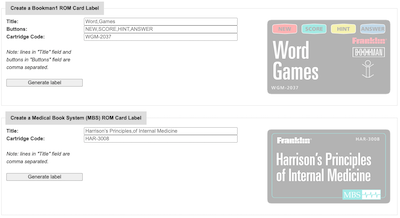
See the source code for this tool here.
You can find scans of various Franklin promotional / catalog leaflets below. Items listed in chronological order.
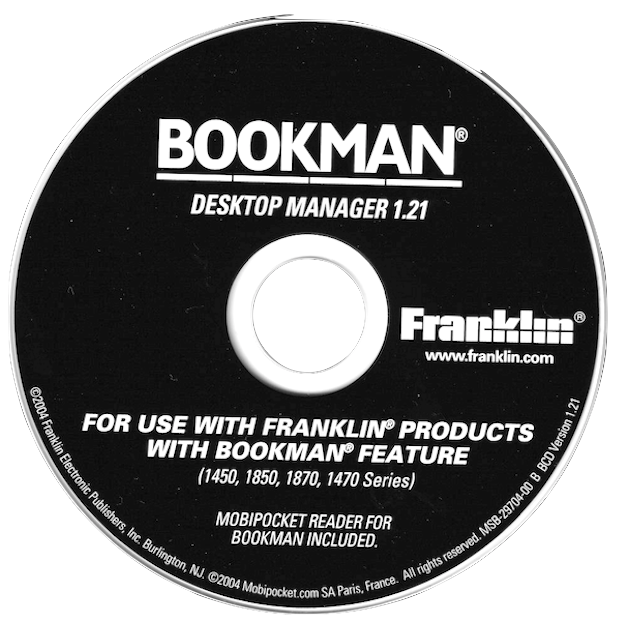
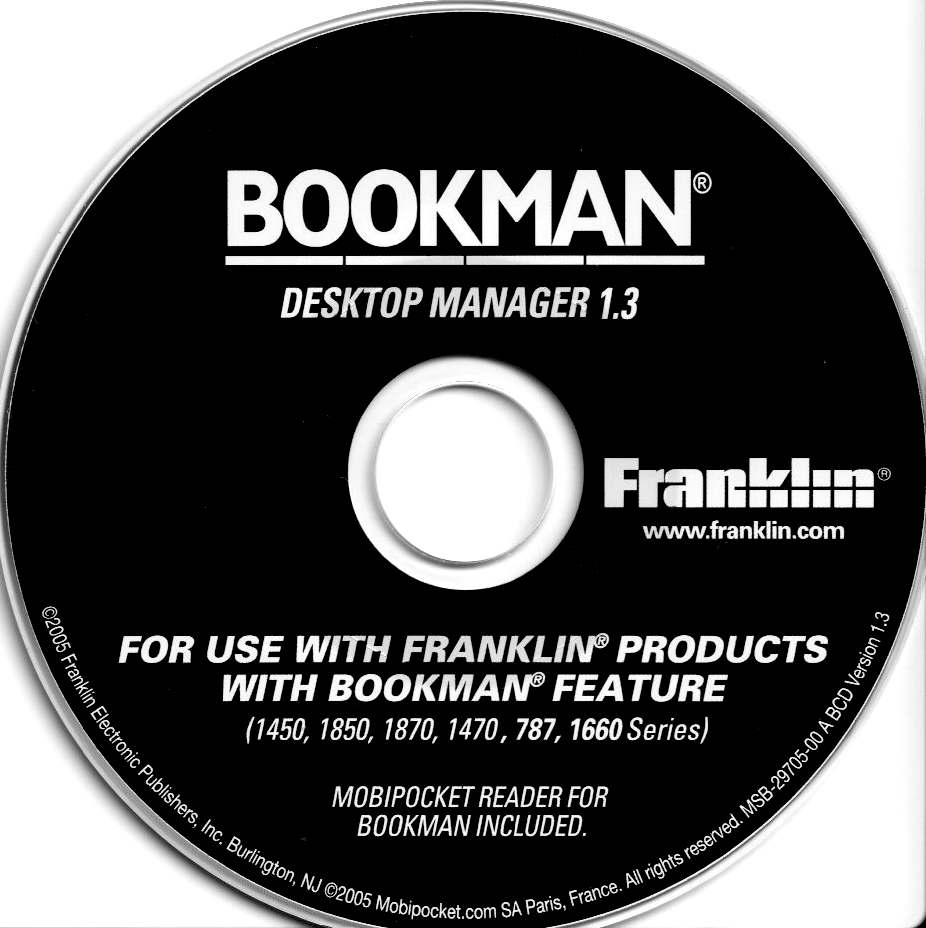
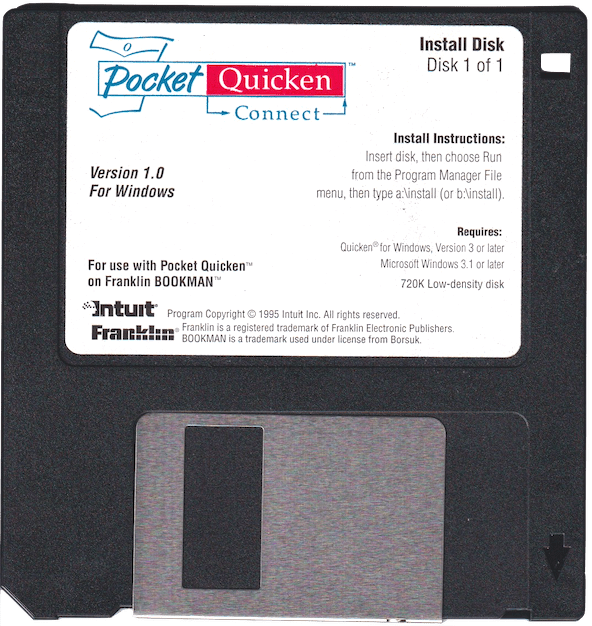
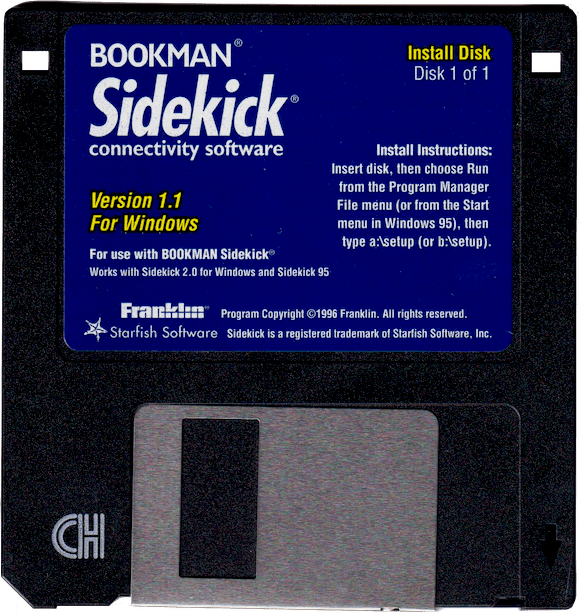
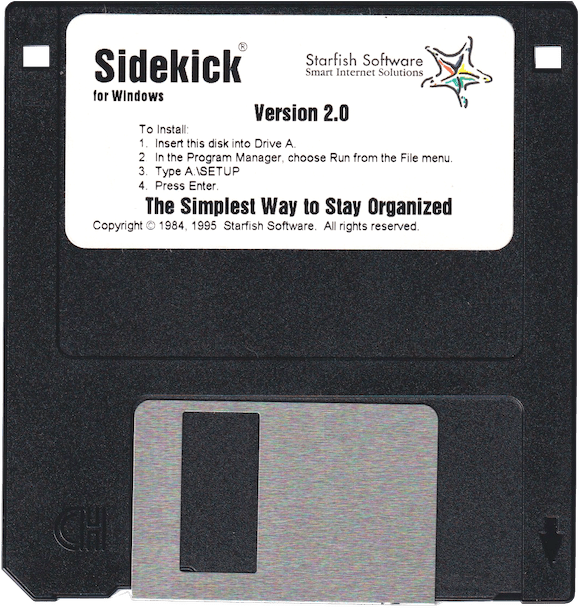
This is a collection of disk images and files of related software that came bundled as part of various Franklin DBS / Bookman devices. Click to download these files.

|

|
|
|
|
|
|
FEP received its own official number in the USB vendor code list after submitting it to the USB consortium: 0x09b2 (hex) or 2482 (dec). The submission was related to use of USB for the eBookman device.
CK2FRK
As long as there are heavy 808s and a need for "hard" editing content, the ghost of Sidhu Moose Wala will continue to ride the Bilibili bullet curtain—one bass drop at a time. Disclaimer: This article discusses unofficial fan edits and cultural trends. Bilibili primarily operates within the legal framework of the People's Republic of China, and all content is subject to local regulations.
For many young Chinese netizens, this is their first exposure to Punjabi language. They are learning slang words like "22" (Punjabi code for a .22 caliber pistol) or "Jatt" (a landowning caste/community identity) through Bilibili comments. nishaanchi bilibili
Since "Nishaanchi" is not a mainstream global term, this article is based on the context of independent music, South Asian hip-hop, and Bilibili’s unique role as a hub for niche international content. By [Author Name] As long as there are heavy 808s and
In the vast, algorithm-driven ecosystem of global social media, cultural cross-pollination often happens in the most unexpected places. While TikTok and Instagram Reels dominate Western headlines, the Chinese platform has quietly become a sanctuary for niche international music scenes. One of the most surprising recent trends on the platform is the growing fascination with "Nishaanchi" —a term associated with raw, folk-infused Punjabi hip-hop. What is "Nishaanchi"? To understand the trend, one must first understand the term. "Nishaanchi" (often stylized as Nishanchi ) is derived from the Punjabi word for a target or mark ( nishana ). In the context of music, it is closely linked to the track "Nishaanchi" by the late Punjabi singer and rapper Sidhu Moose Wala , specifically from his collaborative work with producers like The Kidd or tracks that embody the "gangster folk" aesthetic. For many young Chinese netizens, this is their
Conversely, for the South Asian diaspora, seeing their niche music celebrated on a major Chinese platform is surreal. It suggests that the global "underground" is truly borderless. Will "Nishaanchi" break into the Chinese mainstream? Unlikely. The language barrier and the lack of official distribution for Punjabi music in China will keep it a niche interest. However, Bilibili has proven that it is the premier destination for the "hyper-niche."
Did you find this topic interesting? Check out other projects like this one!