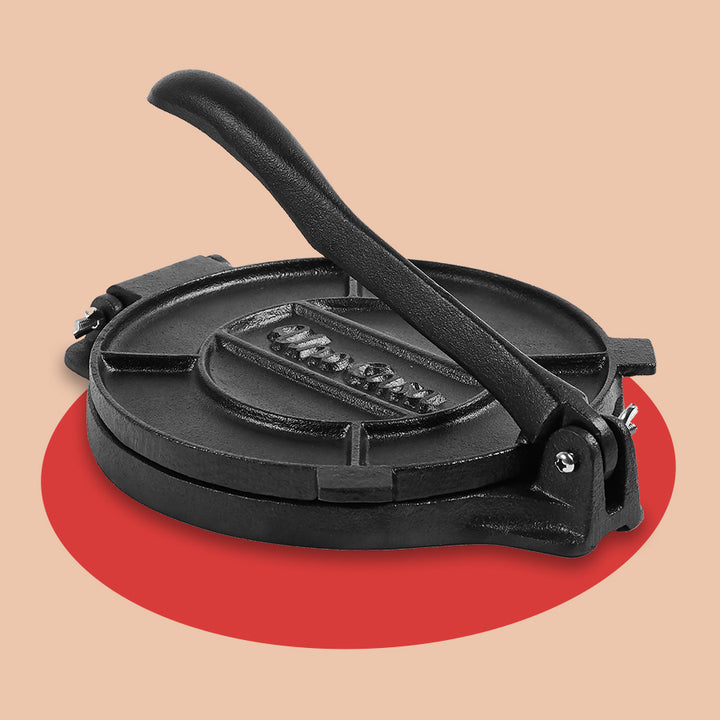

Use the code 15FAJITA at checkout on Amazon
Fall in love with fajitas!
BUY NOW!Critics might argue that Project Hook is too expensive, too labor-intensive, or that it coddles students who need "tough love." But the data tells a different story. For every student re-engaged by a program like this, society saves tens of thousands of dollars in social services, incarceration, and lost wages. More importantly, it saves a human spirit. The opposite of dropping out is not graduating; it is belonging. Project Hook exists to prove that no student is a lost cause—they are just a lost fish swimming in the wrong current. All they need is the right hook, baited with compassion, to pull them back to the shore of their own potential.
In the vast, turbulent sea of the American education system, thousands of students slip beneath the waves every year. They are not pushed out by a single wave of failure, but by a gradual erosion of connection: a boring textbook, an absent parent, an unsympathetic teacher, or the gnawing feeling that school is a place that was never built for them. For these students, dropping out is not an act of rebellion; it is an act of survival. This is where Project Hook enters the narrative. More than just an intervention, Project Hook represents a philosophical shift from punishment to connection, proving that the most powerful tool in education is not a standardized test, but a relevant, trusting relationship.
The core genius of Project Hook lies in its name. A hook is not a cage; it is an anchor. Traditional truancy programs often rely on punitive measures—fines for parents, detention for students, or the cold bureaucracy of court dates. These methods assume that students are simply lazy or defiant. Project Hook rejects that premise. It understands that a student who is chronically absent is likely carrying a burden invisible to the administration: housing insecurity, the need to work to feed siblings, or the paralyzing anxiety of falling so far behind that catching up seems impossible. Project Hook replaces the "hammer" of discipline with the "magnet" of purpose. It hooks the student by offering something they actually want: a welding class, a childcare certification, a GED pathway tied to a promotion at work, or simply a quiet adult who listens without judgment.