Simultaneously, the film’s popularity spurred a surge of “Tamil‑dubbed download” queries across search engines and social media. While many users seek legitimate streaming options, a significant fraction attempts to obtain the film through unauthorised file‑sharing platforms, raising concerns about intellectual‑property (IP) infringement, revenue loss, and the sustainability of dubbing investments.
[Your Name] – Department of Media Studies, [University/Institution]
April 2026 Abstract Saripodhaa Sanivaaram (often stylised as “Saripodhaa Saturday”) is a 2024 Telugu‑language action‑drama that achieved rapid pan‑Indian success, prompting a Tamil‑dubbed version to be released within weeks of the original. This paper examines the production and localisation of the Tamil dub, the official distribution channels that made the film accessible to Tamil‑speaking audiences, and the parallel phenomenon of unauthorised “Tamil‑dubbed download” activity on the internet. By analysing box‑office data, streaming‑platform statistics, and piracy‑monitoring reports, the study highlights the economic ramifications of illegal downloads and suggests policy and industry‑level responses to protect regional‑language content while respecting consumer demand. 1. Introduction The Indian film market has increasingly embraced multilingual releases. Successful Telugu and Hindi productions are routinely dubbed into Tamil, Malayalam, Kannada, and other regional languages, a strategy that expands revenue streams and cultural reach. Saripodhaa Sanivaaram exemplifies this trend: after a record‑breaking theatrical run in Andhra Pradesh and Telangana, the producers commissioned a Tamil dub to capture the sizable audience in Tamil Nadu and diaspora communities.
Saripodhaa Sanivaaram – Tamil‑Dubbed Release, Distribution Landscape, and the Impact of Unauthorised Downloads
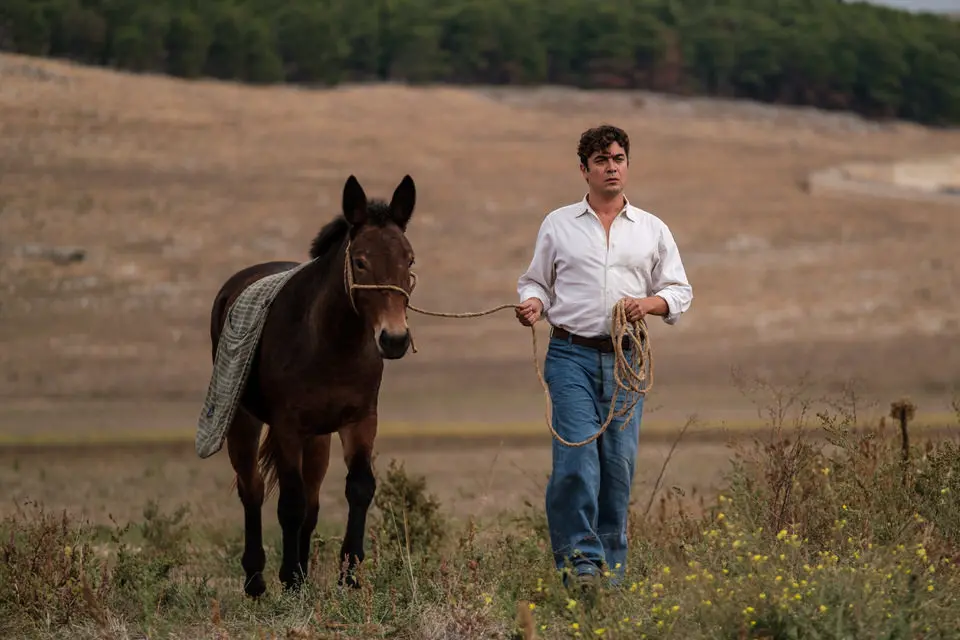
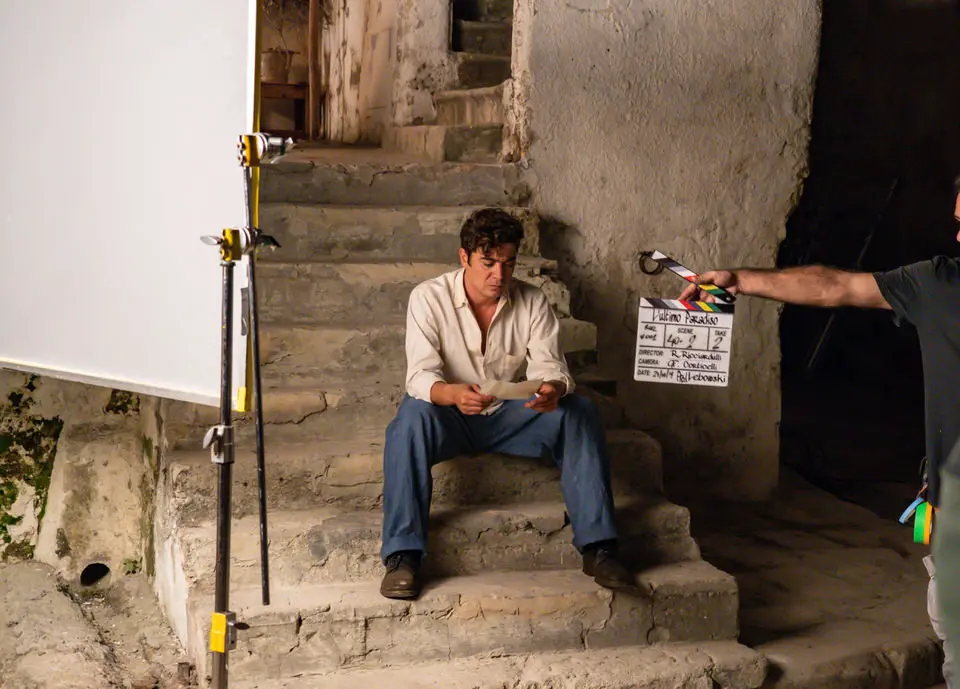
The director Rocco Ricciardulli, from Bernalda, shot his second film, L’ultimo Paradiso between October and December 2019, several dozen kilometres from his childhood home in the Murgia countryside on the border of the Apulia and Basilicata regions. The beautiful, albeit dry and arid landscape frames a story inspired by real-life events relating to the gangmaster scourge of Italy’s martyred lands. It is set in the late 1950’s, an era when certain ancestral practices of aristocratic landowners, archaic professions and a rigid division of work, owners and farmhands, oppressors and oppressed still exist and the economic boom is still far away, in time and space.
The borgo of Gravina in Puglia, where time seems to stand still, is perched at a height of 400m on a limestone deposit part of the fossa bradanica in the heart of the Parco nazionale dell’Alta Murgia. The film immortalizes the town’s alleyways, ancient residences and evocative aqueduct bridging the Gravina river. The surrounding wild nature, including olive trees, Mediterranean maquis and hectares of farm land, provides the typical colours and light of these latitudes. Just outside the residential centre, on the slopes of the Botromagno hill, which gives its name to the largest archaeological area in Apulia, is the Parco naturalistico di Capotenda, whose nature is so pristine and untouched that it provided a perfect natural backdrop for a late 1950s setting.
The alternative to oppression is departure: a choice made by Antonio whom we first meet in Trieste at the foot of the fountain of the Four Continents whose Baroque appearance decorates the majestic piazza Unità d’Italia.
The director Rocco Ricciardulli, from Bernalda, shot his second film, L’ultimo Paradiso between October and December 2019, several dozen kilometres from his childhood home in the Murgia countryside on the border of the Apulia and Basilicata regions. The beautiful, albeit dry and arid landscape frames a story inspired by real-life events relating to the gangmaster scourge of Italy’s martyred lands. It is set in the late 1950’s, an era when certain ancestral practices of aristocratic landowners, archaic professions and a rigid division of work, owners and farmhands, oppressors and oppressed still exist and the economic boom is still far away, in time and space.
The borgo of Gravina in Puglia, where time seems to stand still, is perched at a height of 400m on a limestone deposit part of the fossa bradanica in the heart of the Parco nazionale dell’Alta Murgia. The film immortalizes the town’s alleyways, ancient residences and evocative aqueduct bridging the Gravina river. The surrounding wild nature, including olive trees, Mediterranean maquis and hectares of farm land, provides the typical colours and light of these latitudes. Just outside the residential centre, on the slopes of the Botromagno hill, which gives its name to the largest archaeological area in Apulia, is the Parco naturalistico di Capotenda, whose nature is so pristine and untouched that it provided a perfect natural backdrop for a late 1950s setting.
The alternative to oppression is departure: a choice made by Antonio whom we first meet in Trieste at the foot of the fountain of the Four Continents whose Baroque appearance decorates the majestic piazza Unità d’Italia.
Lebowski, Silver Productions
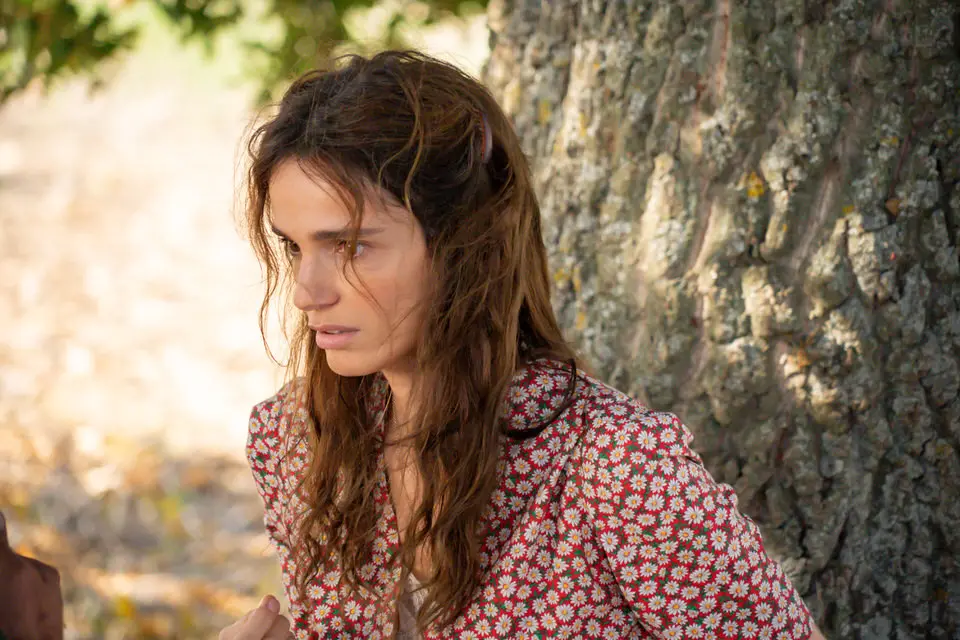
In 1958, Ciccio, a farmer in his forties married to Lucia and the father of a son of 7, is fighting with his fellow workers against those who exploit their work, while secretly in love with Bianca, the daughter of Cumpà Schettino, a feared and untrustworthy landowner.
Simultaneously, the film’s popularity spurred a surge of “Tamil‑dubbed download” queries across search engines and social media. While many users seek legitimate streaming options, a significant fraction attempts to obtain the film through unauthorised file‑sharing platforms, raising concerns about intellectual‑property (IP) infringement, revenue loss, and the sustainability of dubbing investments.
[Your Name] – Department of Media Studies, [University/Institution]
April 2026 Abstract Saripodhaa Sanivaaram (often stylised as “Saripodhaa Saturday”) is a 2024 Telugu‑language action‑drama that achieved rapid pan‑Indian success, prompting a Tamil‑dubbed version to be released within weeks of the original. This paper examines the production and localisation of the Tamil dub, the official distribution channels that made the film accessible to Tamil‑speaking audiences, and the parallel phenomenon of unauthorised “Tamil‑dubbed download” activity on the internet. By analysing box‑office data, streaming‑platform statistics, and piracy‑monitoring reports, the study highlights the economic ramifications of illegal downloads and suggests policy and industry‑level responses to protect regional‑language content while respecting consumer demand. 1. Introduction The Indian film market has increasingly embraced multilingual releases. Successful Telugu and Hindi productions are routinely dubbed into Tamil, Malayalam, Kannada, and other regional languages, a strategy that expands revenue streams and cultural reach. Saripodhaa Sanivaaram exemplifies this trend: after a record‑breaking theatrical run in Andhra Pradesh and Telangana, the producers commissioned a Tamil dub to capture the sizable audience in Tamil Nadu and diaspora communities.
Saripodhaa Sanivaaram – Tamil‑Dubbed Release, Distribution Landscape, and the Impact of Unauthorised Downloads